Winter Skincare for Texas: What Cold Fronts, Heaters and Hard Water Do to Your Skin
The first real front of the season arrives like a bill you forgot about. The wind swings north, the moisture falls out of the air overnight, somebody turns on the heater, and by morning your face feels a size too small.
I live on a ranch in the Hill Country on well water, so I get the full package. Winter skincare in Texas comes down to a short list of changes: shorter showers in warm water instead of hot, moisturizer on damp skin, a cream or ointment in place of lotion, fewer acids, a gentler cleanser if your water is hard, and sunscreen anyway. Some of that is standard winter advice. The water and the cedar are specific to living here.
Why Texas winter is harder on skin than it looks
We don’t get a long, steady cold. We get a 75-degree Tuesday and a freezing Thursday, then the whole thing again the next week. Dr. Chad Hartmann, a dermatologist in Cedar Park, blames those up-and-down temperatures directly, along with the wind that comes in behind the fronts. Cold air holds less moisture, so every front is also a drying event.
Then you go inside and make it worse. “In the wintertime, we tend to turn our heaters on and that dehydrates the indoor air, so it’s actually sucking moisture out of our skin,” Dr. Michelle Tarbox of Texas Tech Physicians says. Skin that was fine in October gets hit from both directions.

What to change first
Start with the shower, because it costs nothing. The American Academy of Dermatology’s dry skin advice is five to ten minutes in warm water with the bathroom door closed, then pat dry instead of rubbing. Moisturizer goes on while skin is still damp.
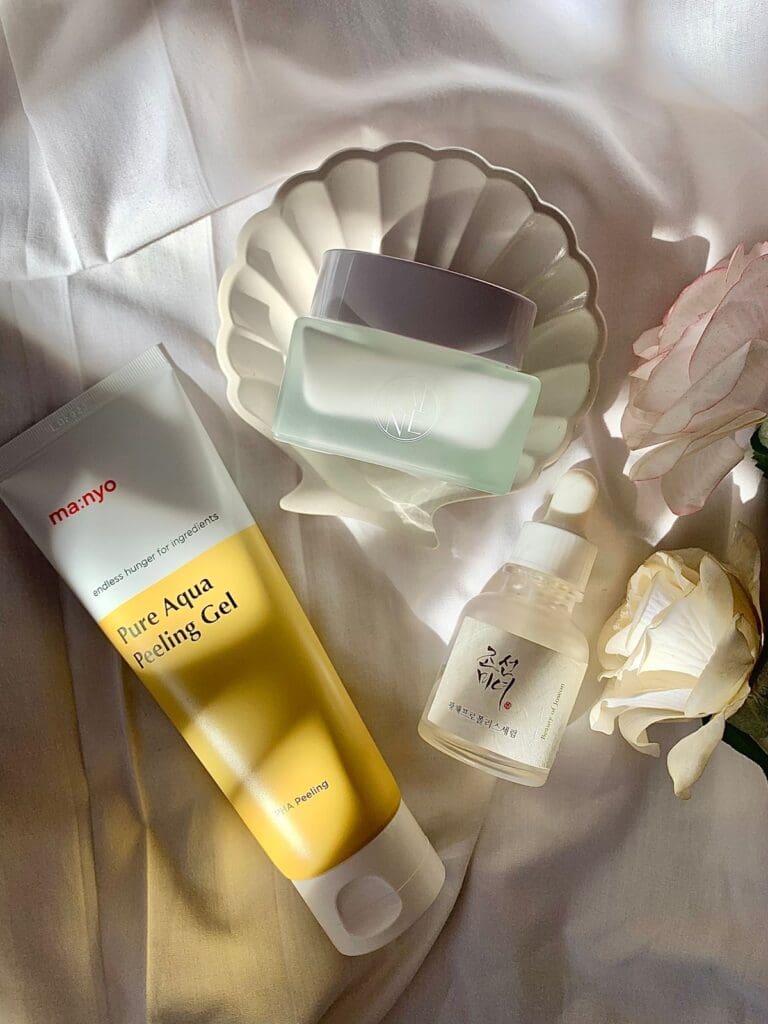
Next, change what’s in the jar. Ointments and creams do more than lotions, per the AAD, and thick is the point here. Dr. Hartmann’s version: “The thicker, the better.” Look for ceramides, glycerin, petrolatum and dimethicone on the label, and go fragrance-free while your skin is cranky.
Then take something away. The AAD’s cold-weather guidance warns that alpha and beta hydroxy acid products can irritate skin in winter. If your face stings when you put things on it, stop adding and repair the barrier first. If you’re on a retinoid, this is the season to drop back a night or two, using the same slow ramp from starting retinol.
Sunscreen stays. Houston Methodist’s winter skin advice keeps it year-round, and the AAD says broad-spectrum SPF 30 or higher. A gray December day spent outside still counts.
Hard water is the part nobody mentions
Most winter skincare advice assumes your water is neutral. Out here it isn’t. The Texas Water Development Board describes water in the Trinity Aquifer’s outcrop as “fresh but very hard.” On the USGS scale, very hard means more than 180 milligrams per liter of hardness. The City of Bandera pumps from the Lower and Middle Trinity, Kerrville draws on the Guadalupe and the Lower Trinity, and a lot of us on private wells are drinking straight from the same rock.
Hardness doesn’t show up on those city water reports, so the only way to know your number is to test it. A strip from the hardware store will get you close.

What it does to skin is better studied than you’d guess. Researchers at the University of Sheffield and King’s College London published work in 2017 showing that calcium and magnesium in hard water bind to surfactants like sodium lauryl sulfate, so the cleanser precipitates onto your skin instead of rinsing off. Hard water’s alkalinity can also push skin’s surface pH up, which disturbs the barrier. People with eczema were much more sensitive to all of it. Harvey Water Softeners was involved in funding the study and supplied the equipment, so read it with that in mind.
The practical move is a low-foam, fragrance-free cleanser without sodium lauryl sulfate, and using less of it. Dr. Tarbox’s advice is to limit cleanser to armpits, groin, hands and feet. A whole-house softener is what actually takes calcium and magnesium out of the water. Shower filters are a murkier purchase: many are built for chlorine, some use a resin that claims to soften, and the independent testing on how well those work is thin. Read the box before you pay for one.
At our house we run a water softener and filters on the well. My hairstylist can tell, and a hairstylist has no reason to compliment your plumbing.
Cedar season and your face
Mountain cedar pollen runs December to February and peaks in mid-January, which puts the worst of the allergy season right on top of the worst of the dry air. The damage to skin is mostly collateral. A nose that’s been wiped forty times a day is raw by lunch, and eyes get rubbed.
Swap in the softest tissues you can stand to pay for and put a thin layer of petroleum jelly around your nostrils before bed. If the eyelids and nose are the problem, leave your acids off those areas entirely. For the allergy itself, I got tested and then did the unglamorous thing, which was exactly what the doctor told me to do. I’d suggest the same. A doctor who has seen your actual results beats any tip you’ll find online.

Hands and lips, if you work outside
Ranch hands are their own category. The AAD says gloves belong on for dishes, gardening, anything with your hands in water, and also for cold, dry air. Ointment works best at night, when your hands can sit still long enough to keep it on.
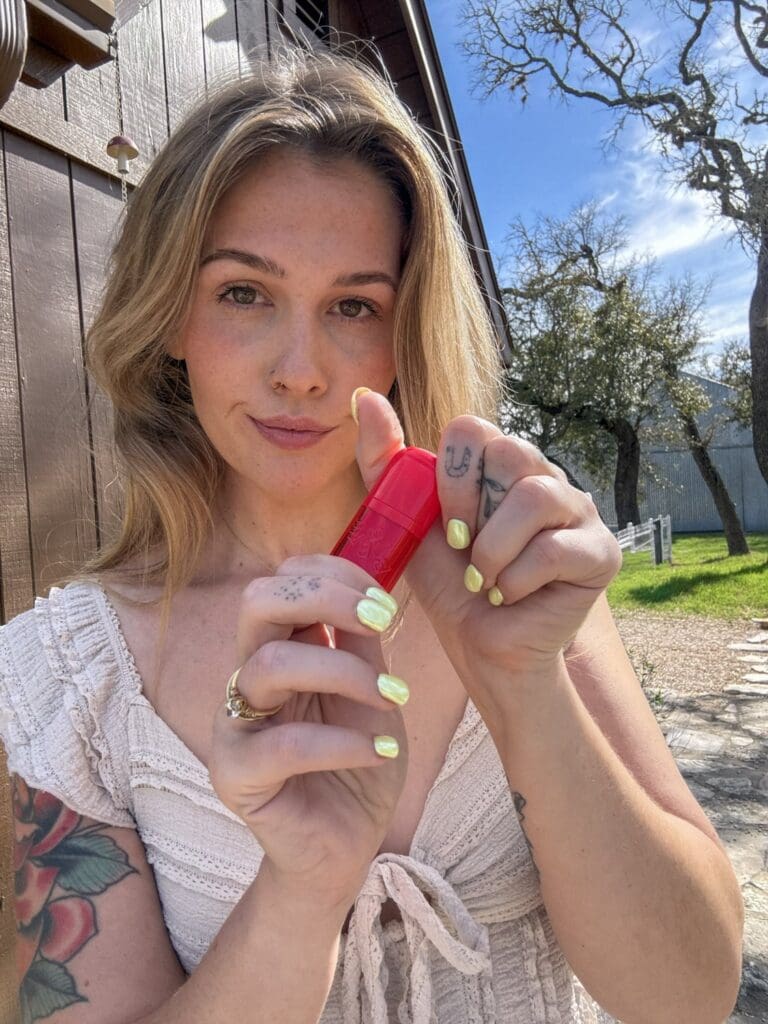
For lips, the AAD’s list of what to avoid while chapped is longer than you’d expect: camphor, eucalyptus, menthol, flavoring, fragrance, salicylic acid and lanolin all make it. White petroleum jelly at bedtime and a fragrance-free balm through the day is the plan, plus SPF 30 or higher reapplied every two hours if you’re outdoors. Stop licking them. As saliva evaporates, they get drier. These are the SPF lip products I’ll actually reapply.
Run a humidifier where you sleep
The heater is doing its work all night, so the bedroom is where this pays off. The AAD recommends a portable unit in the bedroom while you sleep, and one of its dermatologists specifies a filtered, cool-mist model. Clean it regularly or it grows mold, which is a worse problem than dry skin.
A Texas winter routine, start to finish
Morning: Rinse or use a gentle cleanser, moisturizer on damp skin, broad-spectrum SPF 30 or higher. The order is the same as any other season.
Night: Gentle cleanser, cream or ointment on damp skin, retinoid only if your skin is calm. Petroleum jelly on lips and anywhere raw.
The shower: Five to ten minutes, warm, door closed. Moisturize before you’ve left the bathroom.
Once a week: Clean the humidifier.
Frequently asked questions
Do I need different skincare in a Texas winter? Yes, though less different than the ads suggest. Heavier moisturizer on damp skin, fewer acids, warm instead of hot water. If you’re on hard water, a gentler cleanser matters more than anything you could add.
Does hard water really damage your skin? It can. Calcium and magnesium bind to cleansing agents and leave them on your skin, and hard water’s alkalinity can raise skin’s surface pH. People with eczema are especially sensitive to it. If you have eczema, talk to a dermatologist about your water along with your routine.
Should I stop using retinol in winter? You don’t have to, but drop back if your skin stings, peels or stays tight. Keep it calm first and rebuild slowly.
When do I go back to a lighter moisturizer? When your skin stops feeling tight and starts feeling slightly too coated. In the Hill Country that usually happens late February to mid-March, and the spring routine picks up from there.
Do I need sunscreen on a cloudy winter day? Yes. Keep it in the morning routine year-round.