Spring Skincare Routine Texas: Your Complete March Refresh Guide

If you’re updating your spring skincare routine in Texas, you’re dealing with something most generic beauty advice completely ignores. Texas spring is not a gentle seasonal shift. It’s cedar season ending, oak and elm pollen immediately taking over, 40-degree temperature swings between morning and afternoon, and UV intensity climbing fast — all at the same time. Furthermore, if you’ve been running the same routine since January, your skin is already behind.
I live on a ranch in the Hill Country. I’m outside more than most people, I have well water, and my skin has been through every single thing this state can produce. Here’s what I actually change in March, and why.
What Texas Winter Does to Your Skin Before Spring Even Starts
Understanding your spring skincare routine in Texas means first understanding what you’re recovering from. Cedar season — which runs from November through February in Central Texas and the Hill Country — is genuinely brutal on skin. A single mature Ashe juniper can release billions of pollen grains in one day, and those particles are small enough to penetrate deeply and trigger inflammation. If you’re allergic, you’ve spent months with reactive, irritated skin, disrupted sleep, and a compromised barrier. Even without a clinical allergy, prolonged pollen exposure contributes to dullness and sensitivity.
Beyond pollen, Texas winters are distinctly dry. The repeated cold fronts that roll through strip moisture from skin quietly — not in the dramatic way of a snowy northern winter, but consistently enough that most Texas skin arrives at March dehydrated, tight, and reactive. Consequently, what you’re building a spring routine on top of isn’t healthy winter skin. It’s skin that’s been in a low-grade inflammatory state for months. That matters for every product decision you make going forward.
Step One: Prioritize Barrier Repair in Your Spring Skincare Routine
The first thing your Texas spring skincare routine needs is barrier repair — not new actives, not exfoliation, not the trendy ingredient you’ve been meaning to try. If you immediately reach for strong acids or new treatments on compromised winter skin, you’ll trigger more irritation on top of existing irritation.
Barrier repair in practice means using products with ceramides, niacinamide, and hyaluronic acid for two to three weeks before adding anything else back in. These ingredients replenish the lipids your barrier lost over winter without being too heavy for the humidity that’s starting to build. CeraVe, La Roche-Posay Cicaplast, and anything with squalane are all solid options here.
The 2026 skincare direction across the board is “less but better” — dermatologists consistently say that streamlined, intentional routines outperform complicated multi-step ones. For a Texas spring skincare routine specifically, this is exactly right. Moreover, once your barrier stabilizes — less redness, no tightness, products absorbing normally — you can thoughtfully add actives back. If you’re considering retinol, this guide to the best retinol for beginners covers exactly how to reintroduce it without wrecking skin that’s still recovering.
Step Two: Upgrade Your SPF as Part of Your Spring Skincare Routine in Texas
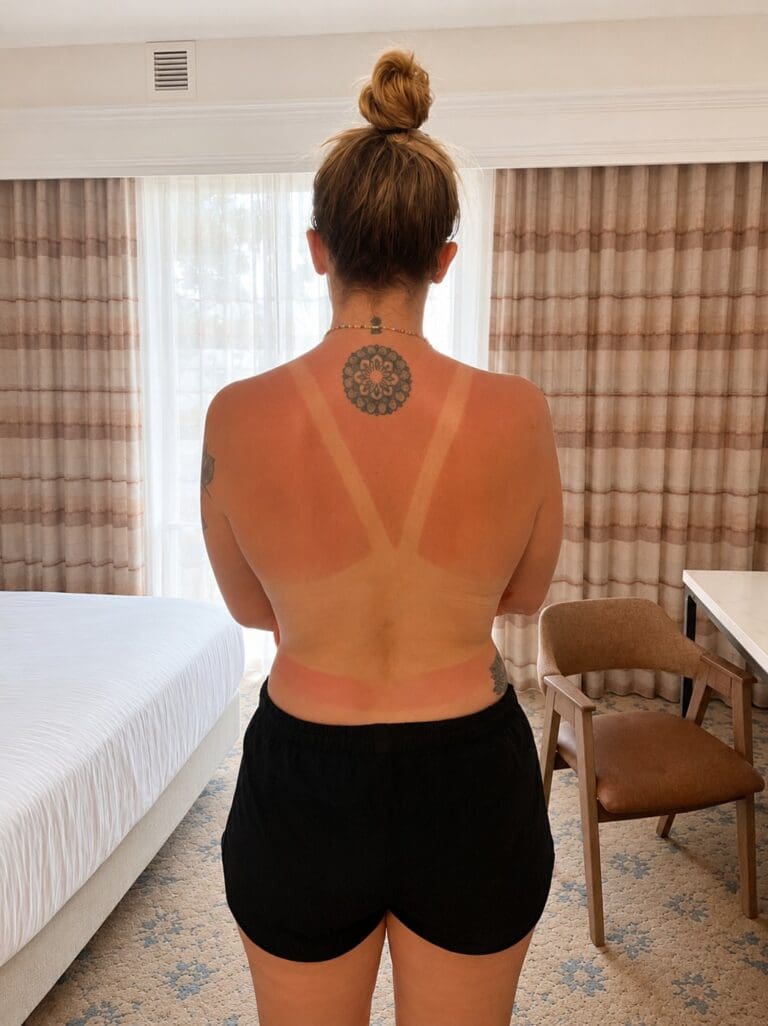
Texas UV intensity increases significantly in March, and therefore SPF needs to be non-negotiable in your spring skincare routine. If you’ve been coasting on SPF 30 or only applying sunscreen for intentional outdoor time, that calculation changes now. On a ranch or anywhere you’re spending time outside, quick trips in and out accumulate meaningful UV exposure fast.
Mineral SPF — zinc oxide and titanium dioxide — is particularly well-suited to Texas spring skincare routines because it’s gentler on skin that’s been reactive all winter. Chemical filters can irritate compromised barriers. Additionally, mineral formulas tend to be more stable in heat, which matters as temperatures climb.
Practically: get an SPF 50 mineral sunscreen you’ll actually use every day. The best one is the one that doesn’t leave a white cast, doesn’t pill under makeup, and doesn’t feel heavy. Elta MD UV Clear, Supergoop Unseen, and Isntree Hyaluronic Acid Sun Cream are all worth trying. For reference on where SPF fits in your layering order, see the full skincare routine order guide — sunscreen always goes last in the morning, even if it’s thinner than your moisturizer.
Step Three: Lighten Your Moisturizer as Texas Humidity Builds
The heavy moisturizer that carried you through January is going to start feeling like too much by late March. As humidity builds across Texas through spring, your skin needs less occlusive moisture and more lightweight hydration. Specifically, the swap is from a thick cream to a gel moisturizer or lighter lotion.
Look for hyaluronic acid for hydration without weight, niacinamide for barrier support and redness, and a matte or satin finish if you run oily or combination — because Texas heat will increase shine as temperatures climb. However, don’t make this swap before your barrier has had time to stabilize. Moving to a lighter formula too early on still-compromised skin will leave it feeling exposed.
Step Four: Address the Dullness Cedar Season Left Behind
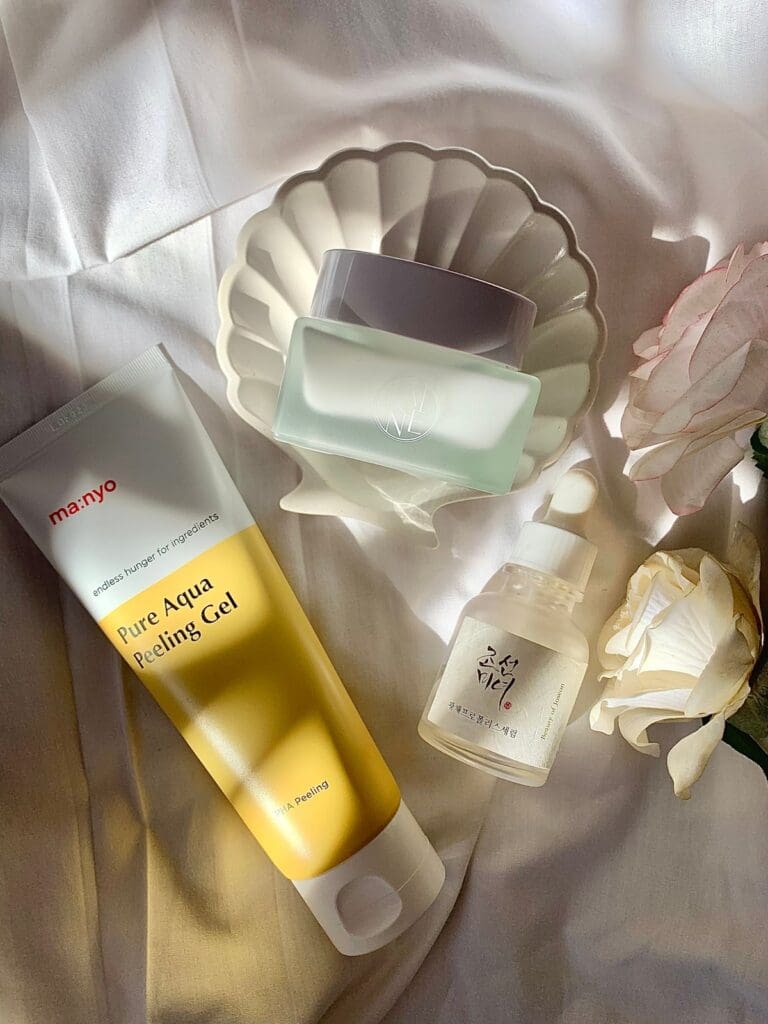
Cedar season inflammation and months of dry air leave Texas skin flat and uneven in a specific way. Once your barrier feels stable, gentle exfoliation once or twice a week is how you address it. A low-percentage lactic acid at 5–10% or a gentle PHA exfoliant is the right starting point — not glycolic acid, not a strong retinol, nothing aggressive.
You want to resurface without triggering more inflammation in skin that’s been reactive all winter. Furthermore, if exfoliation causes redness or sensitivity at first, back off and give your barrier another week. There’s no timeline to rush here. Spring lasts long enough in Texas to build back gradually.
How to Update Your Makeup for a Texas Spring Skincare Routine
Your skincare changes should drive your makeup changes too. Heavy foundation in increasing heat and humidity is uncomfortable and unnecessary, and the spring/summer 2026 beauty direction is moving decisively toward skin-first hybrid products that enhance rather than cover.
Foundation: Swap full-coverage foundation for a tinted SPF, skin tint, or serum foundation in a lighter formula. Searches for BB creams, CC creams, and skin tints are all up significantly heading into 2026 — because they work better in heat. Additionally, many include SPF, which adds a useful extra layer of protection.
Blush: Spring is the right time to add warmth back to a face that’s been flat all winter. Cream blush layers naturally over skincare without sitting in dry patches — Rare Beauty Soft Pinch and Rhode Pocket Blush are consistently searched for a reason. They deliver.
Eyes: The bold eye moment is genuinely trending for spring 2026. After years of the clean girl minimal look, the runways are pushing expressive liner and dramatic lashes. If you’ve been doing the same understated eye for two years and want to change it, spring is the timing.
Post-allergy-season eyes: If cedar season left you with persistent under-eye darkness and puffiness, a peach or orange color-correcting concealer applied before your regular concealer will neutralize blue-purple tones more effectively than adding more product on top.
Texas-Specific Additions Most Spring Skincare Guides Miss
Double cleanse in the evening during pollen season. Oak and elm pollen peak in March and April in Texas. Pollen sits on your skin all day and washing it off thoroughly before your evening routine matters more during allergy season than any other time of year.
Hard well water is affecting your routine. Hard water is extremely common in the Hill Country and strips skin more aggressively than treated city water. If your products feel like they’re not absorbing, if your skin feels perpetually dull despite a solid routine, a shower filter is worth trying. It’s one of the fastest-rising beauty searches right now and the reason is legitimate.
Don’t skip your lips. Texas spring wind is relentless and dries lips out fast. A barrier-focused lip balm with ceramides or lanolin — not just petroleum jelly — worn consistently will keep lips from cracking as wind picks up through March.
Your Texas Spring Skincare Routine at a Glance
Morning: Gentle cleanser → barrier moisturizer with ceramides and niacinamide → SPF 50 mineral sunscreen → tinted SPF or skin tint if you want coverage → cream blush.
Evening: Double cleanse → gentle exfoliant 2x per week once barrier is stable → actives if skin is recovered → lightweight moisturizer.
Weekly: Hydrating mask. Your skin has been through cedar season. Let it recover properly.
The goal of a Texas spring skincare routine isn’t complexity. It’s calm, stable skin that can handle what summer is about to bring — and summer here is not gentle either.
Frequently Asked Questions About Spring Skincare Routines in Texas
Why does my skin look so dull after winter in Texas? Cedar pollen season causes low-grade skin inflammation, and Texas’s dry winter winds deplete the skin barrier consistently. The combination leaves skin flat and uneven by spring. Gentle exfoliation and barrier repair over two to three weeks is the fix.
When should I switch from my winter moisturizer to a lighter one in Texas? In the Hill Country and Central Texas, late February to mid-March is typically when humidity starts building enough to make heavy moisturizers feel excessive. When your skin stops feeling tight and starts feeling comfortable or slightly congested, it’s time to lighten up.
Does cedar pollen affect your skin directly? Yes. People with cedar sensitivity can experience itching, redness, and inflammation on the skin — not just respiratory symptoms. Even without a clinical allergy, prolonged exposure contributes to skin reactivity and dullness through spring.
What SPF should you wear in Texas in spring? SPF 50, mineral formula, every single day. Texas UV intensity increases significantly in March and April. If you’re spending time outdoors on a ranch or in a yard, reapplication every two hours matters.
What’s the best foundation for hot Texas weather? A skin tint, tinted SPF, or serum foundation in a lightweight formula. Full-coverage foundations migrate in heat and humidity. The shift toward skin-first hybrid makeup in 2026 aligns well with Texas climate — lighter coverage that evens skin tone and includes SPF is the practical choice.
How does well water affect my skincare routine in Texas? Hard water leaves mineral deposits on skin that interfere with product absorption and contribute to dullness. If your routine seems ineffective despite using good products, hard water may be the variable. A shower filter can make a noticeable difference.