Cloud Skin: The No-Makeup Look That Survives Texas Humidity
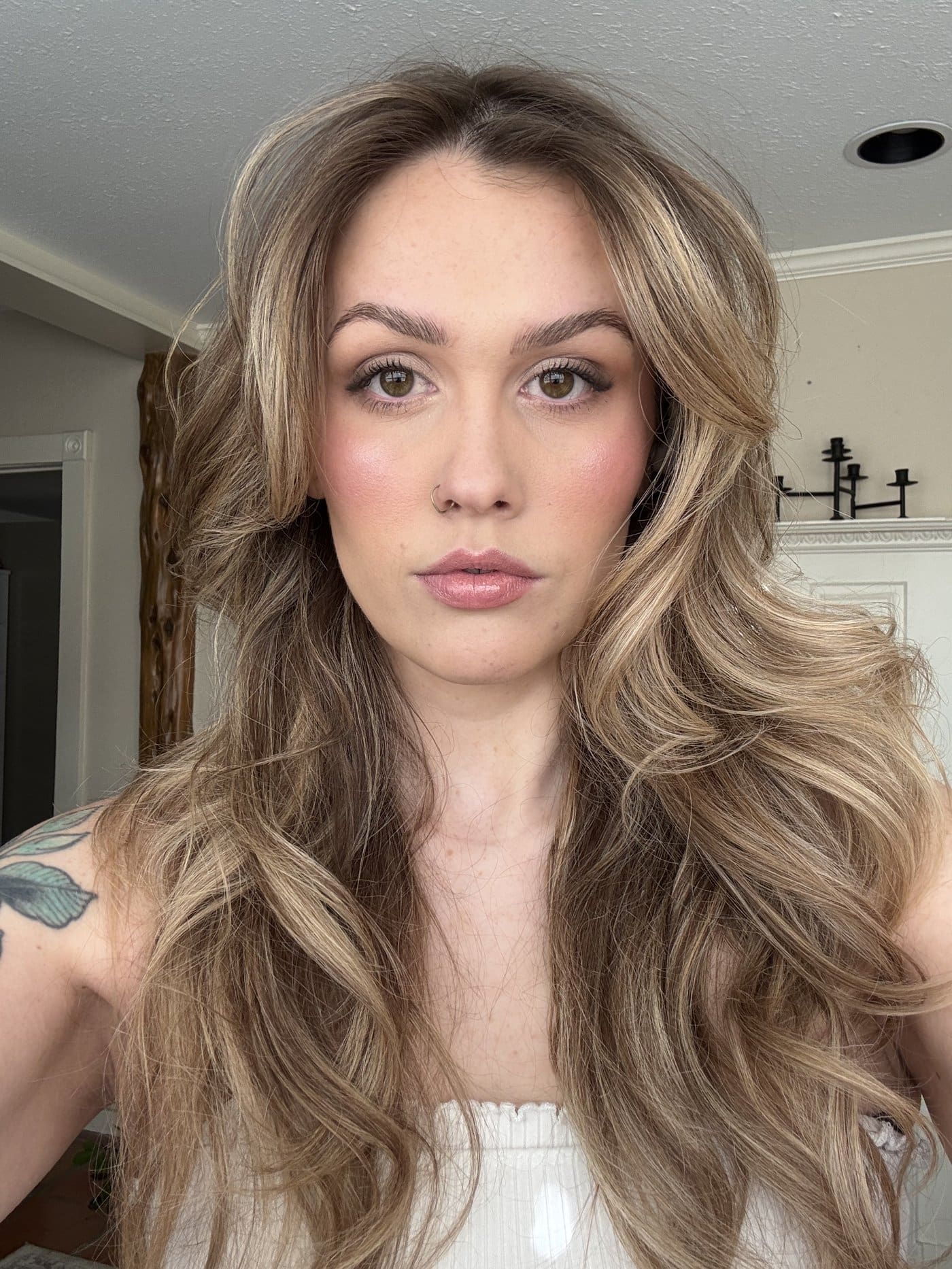
Texas summer has a way of eating makeup alive. By noon, full-coverage foundation has slid into your collar and you look more melted than dewy. The look that actually works in this heat is the opposite of all that: cloud skin — soft, blurred, velvety skin that looks like you, lightly filtered. It went viral for a reason, and it happens to be the most humidity-proof way to wear makeup. Here’s the deep dive: what it is, exactly how to get it, and how to make it survive a Texas afternoon.
What cloud skin actually is
The term was coined by Dominic Skinner, a director of makeup artistry at MAC, who described it as “lovely, fluffy” skin — a soft, semi-matte, slightly blurred finish that lands in the perfect middle between matte and glowy. It’s the next chapter in the K-beauty skin-finish story: we went from glass skin (high shine, mirror-like) to cloud skin (softer, blurred, velvety), and 2026 is already nudging toward “bloom skin” — healthy, even-toned, and lit from within rather than glossy. The throughline never changes: great skin first, barely-there makeup second.
Cloud skin vs. glass skin vs. dewy
Quick decoder, because these constantly get muddled:
- Glass skin — high, wet shine that looks reflective. Stunning in photos, but in humidity it can tip into greasy.
- Dewy — luminous and moist, glow all over the face.
- Cloud skin — soft-focus and velvety; matte-but-not-flat, blurred like a filter. The most forgiving of the three when it’s hot, because it isn’t chasing shine.
In Texas, cloud skin wins. The less shine you’re trying to hold onto, the less there is to slide.
Step 1: It starts with skincare
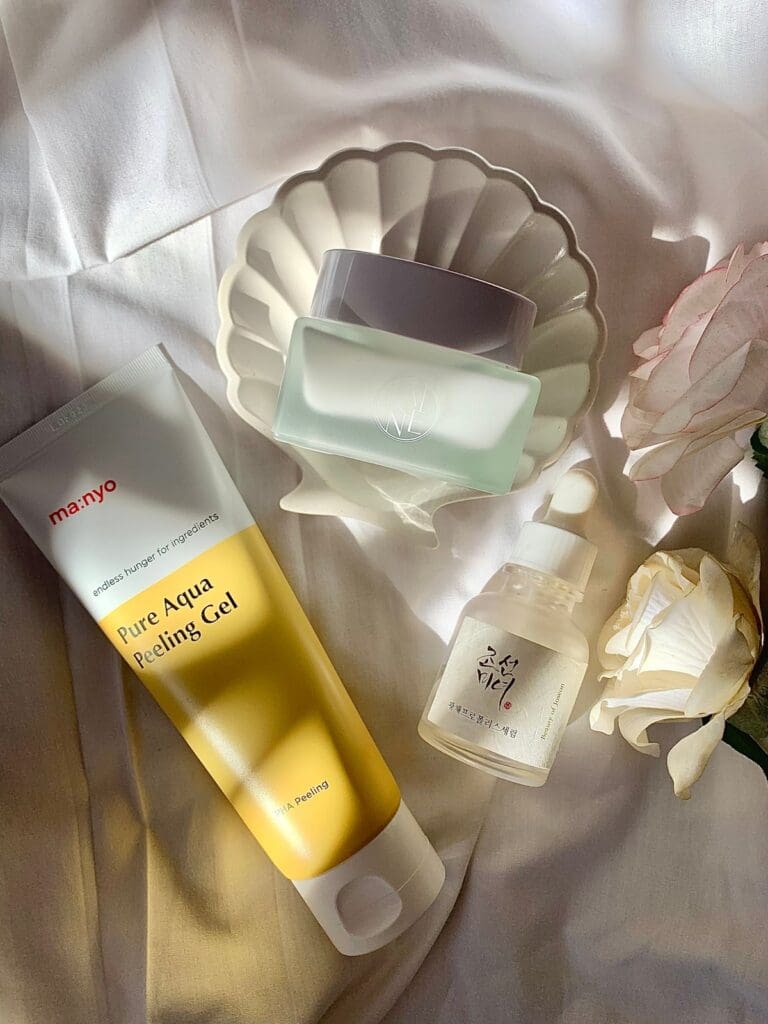
Cloud skin is mostly just good skin, softly diffused — prep is about 80% of it. Hydrate with a lightweight, water-based moisturizer and a sunscreen that sits well under makeup (non-negotiable down here). The ingredients that help the look: hyaluronic acid for plumpness, niacinamide to refine and even tone, and barrier-supporters like ceramides and centella so skin reads healthy rather than tight. A jelly-textured hydrating toner is a sneaky-good base — it gives that plump, cushiony cloud effect and plays nicely with both dry and oily skin. If your barrier is struggling, fix that first; here’s how to repair a damaged skin barrier.
Step 2: Prime where you need it
This is where the blur comes from. A thin layer of a blurring primer through the T-zone keeps oil from breaking everything down by lunch — but don’t prime the whole face. Leave your cheeks bare so they keep a little life. A lot of artists (Skinner included) like to mix a touch of primer right into the foundation for that seamless, skin-like melt.
Step 3: The foundation trick
Here’s the actual secret to cloud skin: mix a luminous formula with a matte one. Straight matte foundation looks flat and dry; straight glow looks wet. A drop of each — or a single satin, skin-finish foundation or skin tint with SPF that lets your real texture show through — gives that velvety, in-between finish. Keep coverage sheer (this is see-through-able skin, not full coverage) and press it in with a damp sponge instead of buffing it around. Pressing preserves the blur; buffing flattens it.
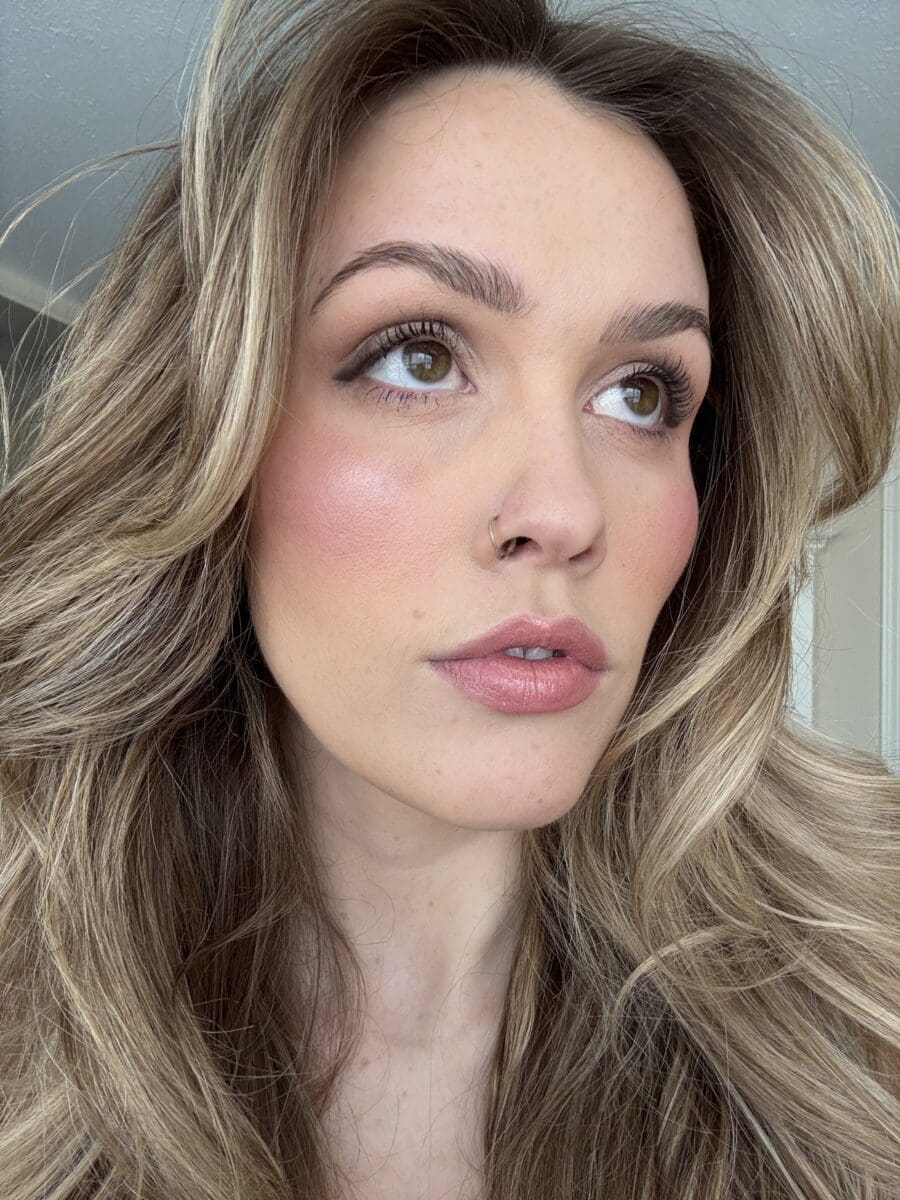
Step 4: Add life back with cream
Powder products kill the cloud effect and go patchy on warm skin, so this whole look is cream-based. A cream blush pressed high on the cheeks and a soft cream bronzer for warmth give dimension that looks like it’s coming from under your skin. Build slowly — cream pigments are stronger than they look.
Step 5: Set only the middle, then mist
The number-one mistake is powdering everything, which flattens the cloud and ages the whole look. Dust a tiny bit of finely milled translucent powder down the T-zone and under the eyes only, and leave the cheeks alone. Then unify everything with a hydrating setting spray — the mist melts the layers together and locks the look. It’s the difference between makeup that lasts and makeup that’s gone by 2pm. I go deeper on heat-proofing in my sweat-proof summer makeup post.
Adjust for your skin type
Oily or combination: cloud skin is one of your best summer looks because it leans soft-matte rather than wet. Lean a little harder on the blurring primer and keep powder to the T-zone.
Dry: skip the mattifying primer except on the very center of your face, add a hydrating serum or a single drop of face oil under your base, and go easy on powder. The jelly toner and a hydrating mist are your best friends here.

Common mistakes
- Skipping skincare — cloud skin lives or dies on prep.
- Too much product — sheer is the entire point.
- Buffing instead of pressing — it flattens the blur.
- Powder blush or all-over powder — patchy and flat in the heat.
- Forgetting the setting mist — it’s what makes it last.
The product edit
You really only need a small kit: a hydrating jelly toner, a blurring primer, a sheer skin tint or satin foundation (or one matte plus one glow to mix), a cream blush and cream bronzer, a finely milled translucent powder, and a hydrating setting spray. That’s the whole thing, and it travels beautifully for a lake day or a winery afternoon.
FAQ
What is cloud skin makeup?
A soft, blurred, velvety, semi-matte finish — coined by MAC’s Dominic Skinner — that sits between matte and dewy. It’s the K-beauty evolution of glass skin, built on hydrated skin and sheer, cream-based makeup.
How is cloud skin different from glass skin?
Glass skin is high-shine and reflective; cloud skin is soft-focus and slightly matte. In humidity, cloud skin holds up far better because it isn’t trying to maintain shine.
Is cloud skin good for oily skin?
Yes — it’s one of the better summer looks for oily and combination skin because it’s soft-matte. Keep powder to your T-zone so you don’t flatten the whole face.
Can dry skin do cloud skin?
Absolutely. Add a hydrating serum or a drop of oil under your base, skip the mattifying primer except on the center of the face, and finish with a hydrating mist.
What products do I need for cloud skin?
A hydrating toner, a blurring primer, a sheer skin tint or satin foundation, cream blush and bronzer, a little translucent powder, and a hydrating setting spray.
Will cloud skin last in humidity?
Longer than full-coverage foundation. Use less product, press it in instead of buffing, set only the T-zone, and lock it with a hydrating setting spray.