
What Order to Apply Skincare Products: A No-BS Morning and Night Routine
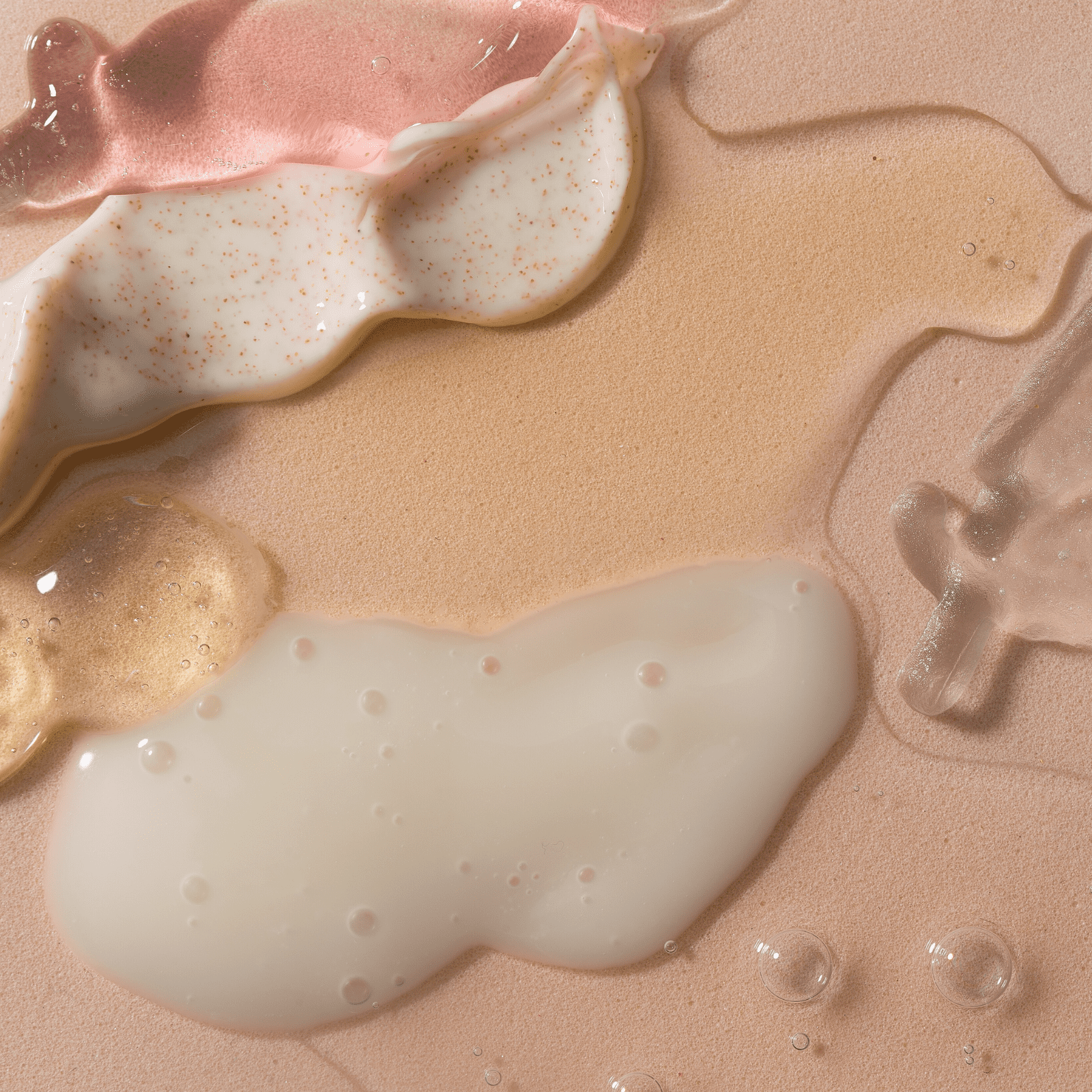
The ultimate skincare routine order: A No-BS Morning and Night Routine
If you’ve ever stood in front of your bathroom mirror holding five different bottles and wondering which one goes first, this is for you.
Skincare order matters, but it’s not as complicated as the internet makes it seem. There’s a basic rule that covers 90% of situations, a few common-sense exceptions, and a lot of room for “close enough.” This guide walks you through exactly what order to apply your skincare products in the morning and at night, what you’re probably layering wrong (and why it’s fine), and how to know when the order actually matters.
The Simple Rule: Thinnest to Thickest (With Exceptions)
The basic rule for layering skincare is: apply products from thinnest to thickest consistency.
Water-based serums go before creams. Lightweight lotions go before heavy balms. This works because thinner products absorb faster and won’t penetrate through a layer of thick moisturizer.
Why This Rule Works
Your skin absorbs products better when they’re layered correctly. If you slap on a heavy cream first, then try to apply a serum, the serum just sits on top doing nothing. It can’t get through the occlusive barrier you just created.
Thinnest to thickest ensures each product can actually reach your skin and do its job.
The Exceptions (Because Of Course There Are Exceptions)
Exception 1: Sunscreen always goes last in the morning
Even if your sunscreen is thinner than your moisturizer, it goes on top. Sunscreen needs to form an even layer on your skin to protect properly. Layering anything over it dilutes the protection.
Exception 2: Oils usually go last at night
Face oils are often thin and runny, but they create a barrier that blocks other products. Apply oils after your moisturizer unless the product specifically says otherwise.
Exception 3: Some actives are pH-dependent
Vitamin C and certain exfoliants (like glycolic acid) work best on clean, dry skin before anything else. If you’re using one of these, apply it right after cleansing, even if something else in your routine is thinner.
When Order Doesn’t Really Matter
If you’re just using a cleanser, moisturizer, and sunscreen, order is obvious and you’re fine. The obsession over order only matters when you’re layering multiple serums, treatments, or actives. If your skincare routine order is simple, don’t overthink it.
Morning Routine Order: SPF Is Non-Negotiable, Everything Else Is Flexible
Your morning routine should be quick, protective, and set you up for the day. Here’s the order:
Step 1: Cleanser
Wash your face with a gentle cleanser to remove oil, sweat, and any products from the night before. If your skin feels tight or dry after cleansing, your cleanser is too harsh—switch to something gentler.
Good morning cleansers:
- CeraVe Hydrating Facial Cleanser – Gentle, non-stripping, drugstore
- La Roche-Posay Toleriane Hydrating Gentle Cleanser – For sensitive skin
- Youth to the People Superfood Cleanser – If you want something that feels fancier
Step 2: Toner (Optional)
If you use a toner, it goes after cleansing. Toners prep your skin for the next steps by balancing pH or adding hydration. If you skip toner, you’re fine—it’s not required.
When to use toner:
- If you have oily skin and want to remove any last traces of oil
- If you’re using an exfoliating toner with acids (this counts as an active—more on that later)
- If your skin feels dry and you want an extra hydration layer
Step 3: Vitamin C Serum (Optional)
If you use vitamin C, apply it in the morning on clean, dry skin. Vitamin C is an antioxidant that protects against environmental damage and brightens skin tone. It works best when applied before sunscreen.
Wait 1-2 minutes after applying to let it absorb before moving to the next step.
Good vitamin C serums:
- Timeless 20% Vitamin C + E Ferulic Acid Serum – Affordable, effective
- SkinCeuticals C E Ferulic – Expensive but gold standard
- Mad Hippie Vitamin C Serum – Gentler option if L-ascorbic acid irritates you
Step 4: Hydrating Serum (Optional)
If you use a hyaluronic acid serum or another hydrating serum, it goes after vitamin C. Apply it to damp skin for better absorption.
Examples:
- The Ordinary Hyaluronic Acid 2% + B5 – Cheap, effective
- Neutrogena Hydro Boost Hydrating Serum – Drugstore, lightweight
Step 5: Eye Cream (Optional)
If you use eye cream, tap it gently around your orbital bone (not directly on your eyelid). Eye creams are typically thicker than serums but thinner than face moisturizers, so they go in the middle.
Honest take: Eye cream isn’t necessary. Your regular moisturizer works fine around your eyes unless you have specific concerns like dark circles or puffiness.
Step 6: Moisturizer
Apply your daytime moisturizer. Morning moisturizers should be lightweight and absorb quickly so they don’t interfere with sunscreen or makeup.
Good morning moisturizers:
- Neutrogena Hydro Boost Water Gel – Lightweight, oil-free
- CeraVe Daily Moisturizing Lotion – Simple, effective, cheap
- Clinique Moisture Surge 72-Hour Auto-Replenishing Hydrator – If you want something nicer
Step 7: Sunscreen (NON-NEGOTIABLE)
Sunscreen goes last. Every single morning. Even if it’s cloudy. Even if you’re staying inside. SPF 30 minimum, SPF 50 is better.
Apply enough to cover your face—about a nickel-sized amount or 1/4 teaspoon. Most people don’t use enough sunscreen, which means they’re not getting the SPF protection listed on the bottle.
Good sunscreens:
- EltaMD UV Clear Broad-Spectrum SPF 46 – Lightweight, no white cast, works under makeup
- La Roche-Posay Anthelios Melt-in Milk Sunscreen SPF 60 – Drugstore, smooth texture
- Black Girl Sunscreen SPF 30 – Great for deeper skin tones, no white cast
- Supergoop Unseen Sunscreen SPF 40 – Invisible, works like a primer
Luxury Skincare Items Actually Worth the Hype
I love luxury skincare. I’m not going to pretend The Ordinary works the same as Sunday Riley, because it doesn’t. If you have the budget and care about how your skincare feels, performs, and makes you excited to do your routine, luxury is worth it.
Here are the products I actually use and why I think they’re worth the money.
Sunday Riley Good Genes Lactic Acid Treatment
What it is: Lactic acid exfoliating treatment with licorice root and lemongrass
Why I love it: This is my go-to exfoliant. The texture is perfect—it’s a serum, not a watery toner, so it feels luxurious going on. It brightens my skin without the harshness of glycolic acid. I wake up with smoother, glowy skin every time I use it.
Is it worth it? Yes. I’ve tried cheaper lactic acid products and they don’t compare. Good Genes works faster, feels better, and doesn’t irritate my skin. If you’re going to splurge on one exfoliant, this is the one.
Use it: 2-3 times per week at night after cleansing, before moisturizer.
Sunday Riley U.F.O. Ultra-Clarifying Face Oil
What it is: Face oil with salicylic acid, tea tree, and black cumin seed oil for acne-prone skin
Why I love it: Most face oils are too heavy for my skin, but U.F.O. is different. It has salicylic acid so it actually helps with breakouts instead of causing them. It’s lightweight, absorbs fast, and keeps my skin clear without drying it out.
Is it worth it? Yes, especially if you have oily or combination skin and thought face oils weren’t for you. This changed my mind about oils.
Use it: At night as your last step, after moisturizer. A few drops is all you need.
Clarins Double Serum
What it is: Two-phase serum with 21 plant extracts—one water-based, one oil-based—that you pump together
Why I love it: The texture is incredible. It’s hydrating without being heavy, and my skin just looks better when I use it consistently. It’s one of those products where people ask if you got a facial. The packaging is also beautiful, which matters to me.
Is it worth it? Yes. This is my everyday serum. I use it morning and night, and a bottle lasts months. The results are visible—brighter, smoother, more even skin tone.
Use it: Morning and night after cleansing, before moisturizer. Pump it into your hands, rub them together, press onto your face.
Dr. Dennis Gross Alpha Beta Universal Daily Peel
What it is: Two-step peel pads—Step 1 has AHAs/BHAs to exfoliate, Step 2 neutralizes and soothes
Why I love it: These are so easy. You swipe Step 1, wait two minutes, swipe Step 2, and you’re done. No measuring, no mess, perfect for travel. My skin looks noticeably brighter and smoother after using these, and they don’t irritate me like some peels do.
Is it worth it? Yes, if you want serious exfoliation without the guesswork. Each pad is pre-dosed so you’re not over-exfoliating or wasting product. The two-step system means you get the benefits without the irritation.
Use it: 2-3 times per week at night after cleansing. Follow with the rest of your routine.
Clarins Beauty Flash Balm
What it is: Brightening, tightening primer/moisturizer hybrid
Why I love it: This is my secret weapon before events or when I need to look more awake. It tightens and brightens instantly. I use it as a primer before makeup or on its own when I want my skin to look good without foundation.
Is it worth it? Yes, for the instant results. It’s not an everyday product, but when you need your skin to look amazing immediately, this delivers.
Use it: Morning as the last step before makeup, or use it alone for no-makeup days when you want to look polished.
Kiehl’s Creamy Eye Treatment with Avocado
What it is: Rich, emollient eye cream with avocado oil and shea butter
Why I love it: This is the only eye cream that actually makes a difference for me. It’s thick without being greasy, and it genuinely hydrates the under-eye area. I wake up with my under-eyes looking plump instead of crepey. The jar lasts forever because you only need a tiny amount.
Is it worth it? Yes. Most eye creams are overpriced and don’t do anything your regular moisturizer can’t do. This one is different—it’s richer, more targeted, and actually works. If you’re going to buy one eye cream, make it this.
Use it: Morning and night. Tap a small amount around your orbital bone (not on your eyelid).
Kiehl’s Ultra Light Daily UV Defense SPF 50
What it is: Mineral sunscreen with SPF 50 that’s lightweight and doesn’t leave a white cast
Why I love it: Most mineral sunscreens are thick and chalky. This one isn’t. It goes on smooth, absorbs quickly, and doesn’t interfere with makeup. I can actually reapply it during the day without ruining my face. And it doesn’t break me out, which is rare for sunscreen.
Is it worth it? Yes, if you want a mineral sunscreen that doesn’t feel like you’re wearing sunscreen. Chemical sunscreens are fine, but if you prefer mineral or have sensitive skin, this is the best one I’ve found.
Use it: Every morning as the last step in your routine. Reapply every 2 hours if you’re outside.
Tatcha The Dewy Skin Cream
What it is: Rich, hydrating cream with Japanese botanicals and Tatcha’s Hadasei-3 complex (rice, algae, green tea)
Why I love it: This makes my skin look dewy and healthy without looking oily or greasy. The texture is velvety and luxurious, and it gives me that “I just got a facial” glow. I use it at night and wake up with plump, hydrated skin. It’s one of those products that makes you excited to do your skincare routine.
Is it worth it? Yes, especially if you have dry or normal skin. If you have oily skin, it might be too rich, but for everyone else, this is worth the money. It’s not the cheapest moisturizer, but it’s not insanely expensive either, and the results back it up.
Use it: At night after your serums. You can also use it in the morning if your skin is very dry, but I prefer it at night.
What You’re Actually Paying For with Luxury Skincare
When I buy luxury skincare, here’s what I’m getting that I don’t get from drugstore:
Better textures – Luxury products feel incredible. They’re silky, they absorb beautifully, they layer well. The experience of using them makes me actually want to do my routine.
Faster results – I see visible improvements faster with luxury products. My skin looks better, brighter, smoother within days, not weeks.
Sophisticated formulations – Luxury brands combine multiple actives and supporting ingredients in ways that work together. You’re getting exfoliation + hydration + antioxidants in one product instead of layering five separate things.
The ritual – Using something beautiful makes the routine feel like self-care instead of a chore. The packaging, the scent, the way it feels on your skin—it all matters.
My Take
I mix luxury and drugstore depending on the product category. My cleanser is affordable because cleanser washes off—it doesn’t need to be fancy. But my serums, exfoliants, and treatments? I spend more because that’s where I see the difference.
If you love skincare and have the budget, luxury is worth it. Not because drugstore doesn’t work, but because luxury works better and makes the whole experience more enjoyable.
You don’t need to justify wanting nice things. If it makes you feel good and fits your budget, buy it.
Morning Routine: The Full Order
- Cleanser
- Toner (optional)
- Vitamin C serum (optional)
- Hydrating serum (optional)
- Eye cream (optional)
- Moisturizer
- Sunscreen
If you’re just doing cleanser, moisturizer, and sunscreen, that’s fine. You don’t need 7 steps.
Night Routine Order: When Actives and Oils Actually Go
Your night routine is when you use stronger actives (retinol, exfoliants, prescription treatments) because your skin repairs itself while you sleep. Here’s the order:
Step 1: Cleanser (Double Cleanse if Wearing Makeup/Sunscreen)
If you wore makeup or sunscreen during the day, do a double cleanse:
- First cleanse: Oil cleanser or micellar water to remove makeup/sunscreen
- Second cleanse: Regular face wash to clean your skin
If you didn’t wear makeup, one cleanse is fine.
Good first cleansers:
- DHC Deep Cleansing Oil – Classic, removes everything
- Bioderma Sensibio H2O Micellar Water – Gentle, no rinsing needed
Step 2: Exfoliating Toner or Treatment (Optional, 2-3x per week)
If you use a chemical exfoliant (AHAs like glycolic acid, BHAs like salicylic acid), apply it after cleansing on dry skin. These help remove dead skin cells and unclog pores.
Don’t use exfoliants every night—2-3 times per week is enough. Overusing them irritates your skin.
Good exfoliants:
- Paula’s Choice 2% BHA Liquid Exfoliant – For oily/acne-prone skin
- The Ordinary Glycolic Acid 7% Toning Solution – For texture and tone
- Drunk Elephant T.L.C. Framboos Glycolic Night Serum – If you want something stronger
Wait 5-10 minutes after applying an exfoliant before moving to the next step. This lets the acid work at the right pH before you layer other products.
Step 3: Treatment Serums or Actives
This is where retinol, niacinamide, peptides, or prescription treatments go. If you’re using multiple actives, here’s the order:
Niacinamide → Retinol → Peptides
- Niacinamide – Brightens and calms skin, can be layered with almost anything
- Retinol – Anti-aging, increases cell turnover (if using retinol, see the retinol sandwich method in my retinol guide)
- Peptides – Supports collagen, usually gentle
Do not use retinol and exfoliating acids (AHAs/BHAs) on the same night unless your skin is very tolerant. It’s too much. Alternate nights.
Step 4: Hydrating Serum (Optional)
If you use hyaluronic acid or another hydrating serum, it goes after actives. Apply to damp skin for better absorption.
Step 5: Eye Cream (Optional)
Same as morning—tap around your orbital bone. Night eye creams are often richer than daytime formulas.
Step 6: Moisturizer
Night moisturizers can be richer and heavier than morning ones because you don’t need to worry about sunscreen or makeup going on top.
Good night moisturizers:
- CeraVe Skin Renewing Night Cream – Thick, barrier-repairing
- Drunk Elephant Lala Retro Whipped Cream – Rich, works for dry skin
- Kiehl’s Ultra Facial Overnight Hydrating Masque – Deeply hydrating
Step 7: Face Oil (Optional)
If you use a face oil, it goes last. Oils create a barrier that seals in moisture but also blocks anything you apply after.
Good face oils:
- The Ordinary 100% Organic Cold-Pressed Rose Hip Seed Oil – Affordable, lightweight
- Sunday Riley U.F.O. Ultra-Clarifying Face Oil – For acne-prone skin
- Drunk Elephant Virgin Marula Luxury Facial Oil – Rich, deeply nourishing
Night Routine: The Full Order
- Double cleanse (oil cleanser/micellar water, then face wash)
- Exfoliating toner (2-3x per week)
- Treatment serums/actives (niacinamide, retinol, peptides)
- Hydrating serum
- Eye cream (optional)
- Moisturizer
- Face oil (optional)
If you’re just doing cleanser, retinol, and moisturizer, that’s a solid routine. You don’t need all 7 steps.
Products You’re Probably Layering Wrong (and It’s Fine)
Here are the most common layering mistakes people make. Most of them don’t matter as much as you think.
Mistake 1: Applying Sunscreen Under Moisturizer
Why it’s wrong: Sunscreen needs to be the final layer to form an even protective film. Applying moisturizer on top can dilute the SPF.
Is it a big deal? Yes, actually. Always put sunscreen last in your morning routine.
Mistake 2: Using Retinol and Vitamin C Together at Night
Why it’s wrong: Retinol and vitamin C can work together, but vitamin C works best at a lower pH and retinol can be destabilized by it. Plus, layering two strong actives increases irritation risk.
Is it a big deal? Not really. Just use vitamin C in the morning and retinol at night. Problem solved.
Mistake 3: Applying Hyaluronic Acid to Dry Skin
Why it’s wrong: Hyaluronic acid pulls moisture from the environment into your skin. If your skin is completely dry and you’re in a low-humidity environment, it can actually pull moisture out of your skin, making it drier.
Is it a big deal? Kind of. Apply hyaluronic acid to damp skin (right after cleansing or after spraying your face with water). Then seal it in with moisturizer.
Mistake 4: Using Niacinamide and Vitamin C Together
Why people say it’s wrong: Old research suggested they cancel each other out or cause irritation.
Is it a big deal? No. Recent research shows this isn’t true. You can use them together. But if you want to play it safe, use vitamin C in the morning and niacinamide at night.
Mistake 5: Putting Oil Before Moisturizer
Why it’s wrong: Oil creates a barrier. If you apply oil first, your moisturizer can’t penetrate.
Is it a big deal? Yes. Always apply face oils last (unless the specific product says otherwise).
Mistake 6: Not Waiting Between Steps
Why it’s wrong: Some products (especially actives like retinol, vitamin C, or exfoliants) work better if you give them a minute to absorb before layering the next product.
Is it a big deal? Not really. If you’re in a rush and you layer everything immediately, you’re still getting most of the benefit. Waiting 30 seconds to 1 minute is ideal, but it’s not make-or-break.
Frequently Asked Questions About Skincare Routine Order
Do I really need to wait between each step?
You don’t need to wait between every step. Here’s when waiting actually matters:
- After cleansing: Wait until your face is completely dry before applying retinol or prescription treatments (damp skin increases absorption and irritation)
- After exfoliating acids: Wait 5-10 minutes to let the pH-dependent actives work
- After vitamin C: Wait 1-2 minutes for it to absorb
For everything else (toner, serums, moisturizer), you can layer immediately. Waiting 30 seconds to 1 minute is ideal but not required.
Can I mix products together to save time?
You can mix some products, but not all:
Safe to mix:
- Moisturizer + face oil
- Niacinamide serum + moisturizer
- Hydrating serums together
Don’t mix:
- Sunscreen with anything (it dilutes the SPF)
- Retinol with exfoliating acids (too irritating)
- Vitamin C with retinol (better to separate by timing)
What if I’m using prescription treatments like tretinoin?
Prescription retinoids (tretinoin, adapalene) go in the same spot as retinol—after cleansing and before moisturizer. Follow your dermatologist’s specific instructions for how to buffer or layer it.
If you’re using prescription acne treatments or other medications, those typically go right after cleansing on dry skin, then you layer everything else on top.
Can I use multiple serums at once?
Yes, but keep it simple. If you’re layering multiple serums, apply them from thinnest to thickest, and wait 30 seconds between each.
Example order:
- Hydrating serum (hyaluronic acid)
- Niacinamide serum
- Peptide serum
Pro tip: You probably don’t need more than 2-3 serums. More products don’t always mean better results.
Should my morning and night routines be completely different?
They don’t have to be. The main differences:
Morning: Protect
- Focus on antioxidants (vitamin C) and sunscreen
- Lightweight products that work under makeup
Night: Repair
- Focus on actives (retinol, exfoliants)
- Richer, heavier products
Your cleanser and moisturizer can be the same for both routines if you want.
How long should I wait after skincare before applying makeup?
Wait 5-10 minutes after applying sunscreen before makeup. This lets your sunscreen set properly so it doesn’t pill or mix with your foundation.
If you’re in a rush, 2-3 minutes is fine, but 5-10 is ideal.
Do I need toner?
No. Toner is optional. If you like how it makes your skin feel or you’re using an exfoliating toner as an active treatment, keep it. If you don’t use toner, you’re not missing out on anything critical.
Can I skip steps if I’m tired?
Yes. At minimum, do this:
Morning: Cleanser, sunscreen Night: Cleanser, moisturizer
That’s the bare minimum. If you’re too tired for your full routine, at least do that. Everything else is a bonus.
Final Thoughts: It’s Not That Deep
Skincare order matters, but not as much as actually using your products consistently. If you occasionally layer things out of order, you’re not ruining your skin. If you’re too tired to wait between steps, that’s fine.
The important stuff:
- Cleanse your face
- Use sunscreen every morning
- Apply actives (retinol, exfoliants) at night when they work best
- Moisturize
Everything else is optimization, not necessity.
Quick recap:

Morning order:
- Cleanser
- Toner (optional)
- Vitamin C (optional)
- Serums (optional)
- Eye cream (optional)
- Moisturizer
- Sunscreen
Night order:
- Double cleanse
- Exfoliant (2-3x per week)
- Actives (retinol, niacinamide)
- Serums (optional)
- Eye cream (optional)
- Moisturizer
- Face oil (optional)
Do what works for your skin, your budget, and your schedule. That’s the real order that matters.




One Comment
Comments are closed.