
How to Clean Out Your Closet So You Actually Wear What You Own
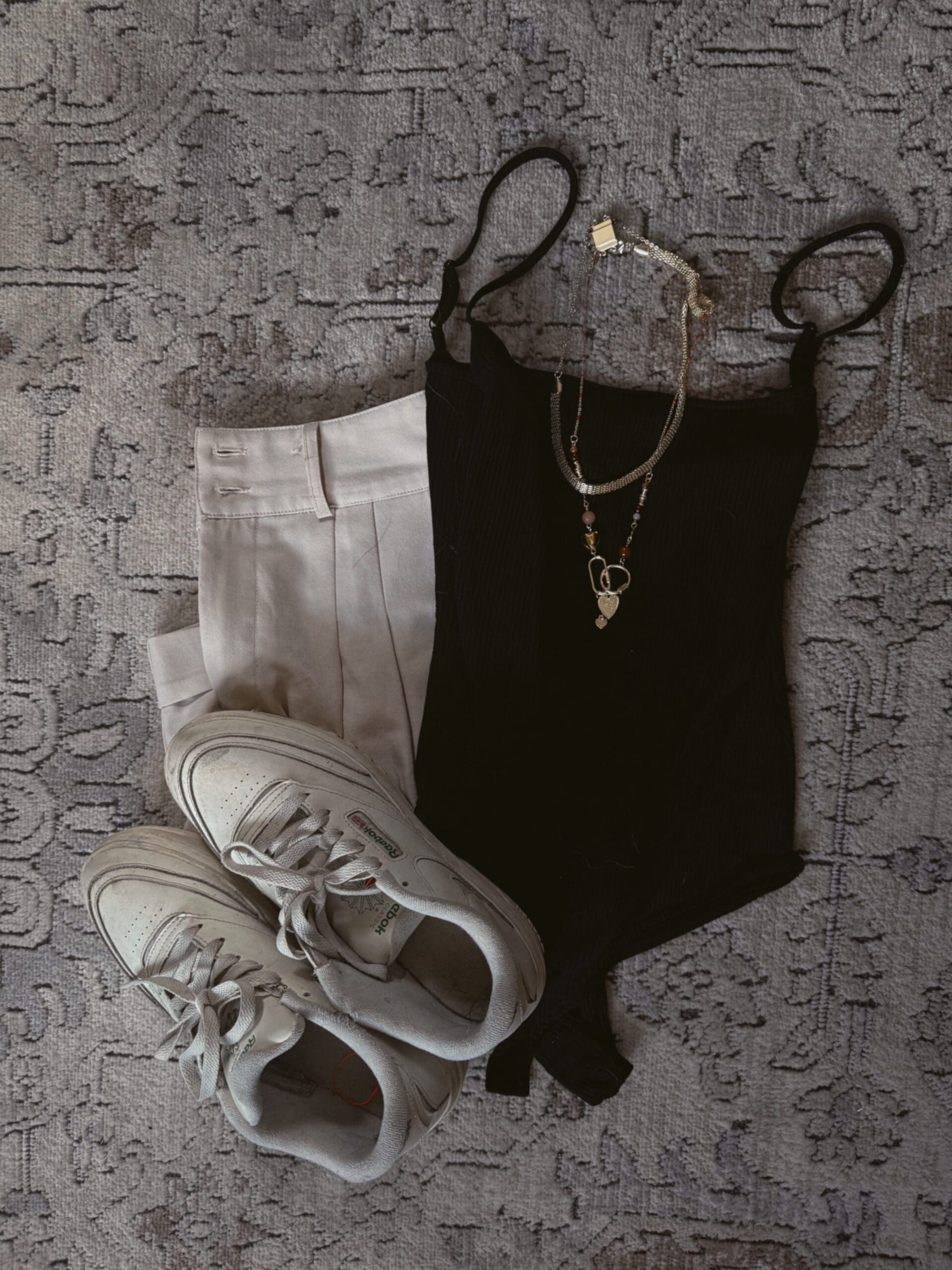
If you want to know how to clean out your closet in a way that actually sticks, the answer is not another Pinterest checklist that ends with you buying matching velvet hangers and calling it done. It’s a process that requires being honest about how you actually live — not how you used to live, not how you thought you’d live when you bought that dress three years ago, but right now.
I’m a chronic thrifter. My closet is organized but consistently overflowing because when you thrift as a hobby, things accumulate fast and the price of each individual item makes them feel easier to keep than to let go. I also work from home, live on a ranch, and haven’t been to a party since the current era of my life began. My closet still had club clothes in it until recently. This is the method I actually used, and it works whether your closet is a disaster or just quietly full of things you haven’t worn in a year.
Why Most Closet Clean-Outs Don’t Work
Before getting into how to clean out your closet properly, it helps to understand why most attempts fail. The common approach is to stand in front of your closet, pull out a few things, feel guilty about what you spent, put most of it back, and declare the job done. Nothing changes.
The problem is that most people organize instead of edit. Organizing rearranges what you have. Editing decides what deserves to stay. Furthermore, research consistently shows that roughly 70% of clothes in closets go unworn — kept for sentimental reasons, because they might fit again someday, or simply because deciding what to do with them feels like one more thing to deal with. A real closet clean-out addresses all of that directly instead of working around it.
Step One: Start With Your Actual Life, Not Your Fantasy Life
The most important step in how to clean out your closet is asking yourself one question before you touch a single thing: what does my actual life look like right now?
Not the life you had before. Not the life you’re planning to have. The life you’re currently living, today, this week. For me that means: I work from home most days. I’m outside on the ranch regularly. I go to dinner occasionally. I thrift on weekends. I am not going to galas. Consequently, a closet that serves my actual life looks very different from the one I built in my early thirties when I was going to events and working in an office.
Write it down if you need to. How many days a week do you work from home? Do you have a social life that requires dressing up, or is that aspirational? Are there specific physical demands on your wardrobe — outdoor work, ranch life, kids, whatever it is? Once you’re clear on this, every keep-or-go decision gets significantly easier because you have a framework instead of just feelings.
Step Two: Take Everything Out — Not Just the Obvious Stuff
The only way to genuinely clean out your closet is to take everything out of it. Not the things you’re unsure about. Everything. This is non-negotiable because you cannot accurately assess what you own while it’s still hanging in there looking like it belongs.
Additionally, when everything is out, you see duplicates you didn’t know you had, things you forgot you owned, and the actual volume of what you’ve accumulated. For chronic thrifters especially, this step is clarifying in a way that nothing else is. When you can see forty-three tops laid out on your bed, the decision-making becomes more honest.
Sort everything into categories as it comes out — tops, bottoms, dresses, outerwear, shoes, bags. Don’t mix categories. Go through one complete category before moving to the next. This prevents the overwhelm of looking at everything at once while also keeping the process moving.
Step Three: The Only Question That Actually Matters
For every single item, ask this: did I wear this in the last year, and would I reach for it again this week?
Not “could I wear this.” Not “might I wear this someday.” Did you wear it, and would you genuinely choose it right now. If the answer to both is yes, it stays. Everything else needs a reason to be there.
The sub-questions that help when you’re on the fence:
Does it fit my actual body right now? Not the body you’re working toward — your current body. Clothes that don’t fit your body today are not serving you. They’re just taking up space and making you feel bad every time you look at them.
Does it fit my actual life right now? This is where I had to let go of a significant number of things. Cocktail dresses, heels I’d never wear on a ranch, office-specific pieces I hadn’t touched since working from home became permanent. Keeping them wasn’t optimism, it was clutter.
If I saw this at a thrift store today, would I buy it? This one is brutal and useful. If the answer is no — if you wouldn’t pay three dollars for it right now — why is it in your closet?
Am I keeping this out of guilt? Guilt about money spent is the most common reason people keep things they never wear. However, keeping something you don’t wear doesn’t recover the money. It just means you paid for clutter. Let it go.
Step Four: The Thrifter’s Specific Problem
If you thrift regularly, cleaning out your closet requires an additional layer of honesty because thrift shopping has a psychology that retail shopping doesn’t. When something costs four dollars, it feels low-stakes to buy it even when you’re not sure. When it costs four dollars, it also feels low-stakes to keep it even after you’ve stopped wearing it. The individual price point makes every decision feel smaller than it is.
The result is that thrift wardrobes accumulate fast and get edited slowly. Therefore, when you clean out your closet as a thrifter, you need to apply the same standards to your thrift finds as to anything else. The price you paid is irrelevant to whether the item is serving you now. A four-dollar top you never wear is still a top you never wear.
The flip side: thrift finds that you genuinely love and reach for repeatedly are worth keeping regardless of their origin. The goal is a closet full of things you actually wear — not a curated collection of expensive pieces, not a deprivation exercise, just clothes that work for your real life.
Step Five: Create Three Piles and Commit to Them
As you go through each category, everything goes into one of three places:
Keep: Fits your body, fits your life, you’d reach for it this week. Goes back in the closet.
Go: Doesn’t meet the standard. This pile has two destinations — donate or sell. If something is in good condition and might sell on Poshmark or ThredUp, set it aside. Everything else goes directly to donation. Don’t create a “maybe sell” pile that sits in your garage for eighteen months.
Repair or tailor: Items you genuinely love but that need something — a hem, a button, a small alteration. Give yourself a deadline. If it isn’t repaired within 30 days, it moves to the go pile. Clothes that need repair and sit in your closet indefinitely are not part of your wardrobe — they’re a to-do list.
One pile that doesn’t exist in this process: maybe. Maybe is how you end up putting everything back. If you can’t commit to keep, it goes.
Step Six: What Goes Back In and How
Once you’ve edited down to what’s actually staying, how you put it back matters. Group by category and then by color within each category — this makes it significantly easier to see what you have and get dressed quickly. Everything should be visible and reachable. If something is difficult to get to, you won’t wear it.
For seasonal items that genuinely don’t belong in your current rotation — heavy winter sweaters in spring, for example — store them somewhere else. They don’t need to be in your daily closet. However, be honest about what “seasonal” means. If something has been in your “seasonal” bin for three years untouched, it’s not seasonal, it’s gone.
For reference on how to layer and think through what you’re actually building, the skincare routine order guide approach of working from a logical framework applies here too — building your closet from a clear foundation outward is the same principle.
What the Ranch Life Closet Actually Needs
For anyone whose life has specific physical demands — ranch life, outdoor work, kids, whatever it is — your closet needs to reflect that reality directly. A significant portion of my wardrobe needs to function outside: boots that handle mud and rocks, jeans that can handle being lived in, layers that work for the 40-degree morning to 80-degree afternoon temperature swings Texas produces in spring.
If your lifestyle has physical demands and your closet is full of things that don’t meet them, you’re getting dressed every morning by working around your actual life instead of with it. Consequently, the most useful closet isn’t the most stylish one — it’s the one that makes every morning straightforward because everything in it is something you’d actually choose.
After the Clean-Out: The Rule That Keeps It From Filling Back Up
The clean-out is only useful if the closet doesn’t immediately refill. For thrifters especially, one in one out is the only system that works long-term. Something new comes in, something leaves. Furthermore, the question to ask before any purchase — thrift or otherwise — is whether you can name three things it goes with that you already own. If you can’t name three, it doesn’t come home.
This isn’t about restricting yourself. It’s about making sure everything you bring in has a place in the life you’re actually living — which is the whole point of cleaning out your closet in the first place.
Frequently Asked Questions About How to Clean Out Your Closet
How often should you clean out your closet? Twice a year at seasonal transitions — spring and fall — works well for most people. Additionally, any time your lifestyle changes significantly: new job, move, major life shift. The goal is alignment between what’s in your closet and how you actually live.
What’s the best method for cleaning out your closet? Take everything out by category, apply a single consistent question to each item — did I wear this in the last year and would I reach for it this week — and commit to three piles: keep, go, and repair with a deadline. Don’t create a maybe pile.
How do you let go of clothes you feel guilty about? Recognize that keeping something you don’t wear doesn’t recover what you spent — it just means you paid for clutter. Donating or selling puts the item back into use, which is more satisfying than letting it sit unworn. The money is already spent regardless of what you do with the item.
How do you stop a clean closet from filling back up? One in one out, consistently applied. Before anything new comes in, something leaves. For thrifters, ask whether you can name three existing pieces the new item works with before buying.
How do you clean out a closet when you work from home? Apply the same standard as anyone else, but be especially honest about occasion-specific pieces. If you’re no longer going to events or offices that require dressing up, those clothes are not serving you regardless of how much you liked them. Your closet should reflect the life you’re living, not the one you used to live.