Cedar Fever in the Texas Hill Country: A Survival Guide From Inside the Cedar
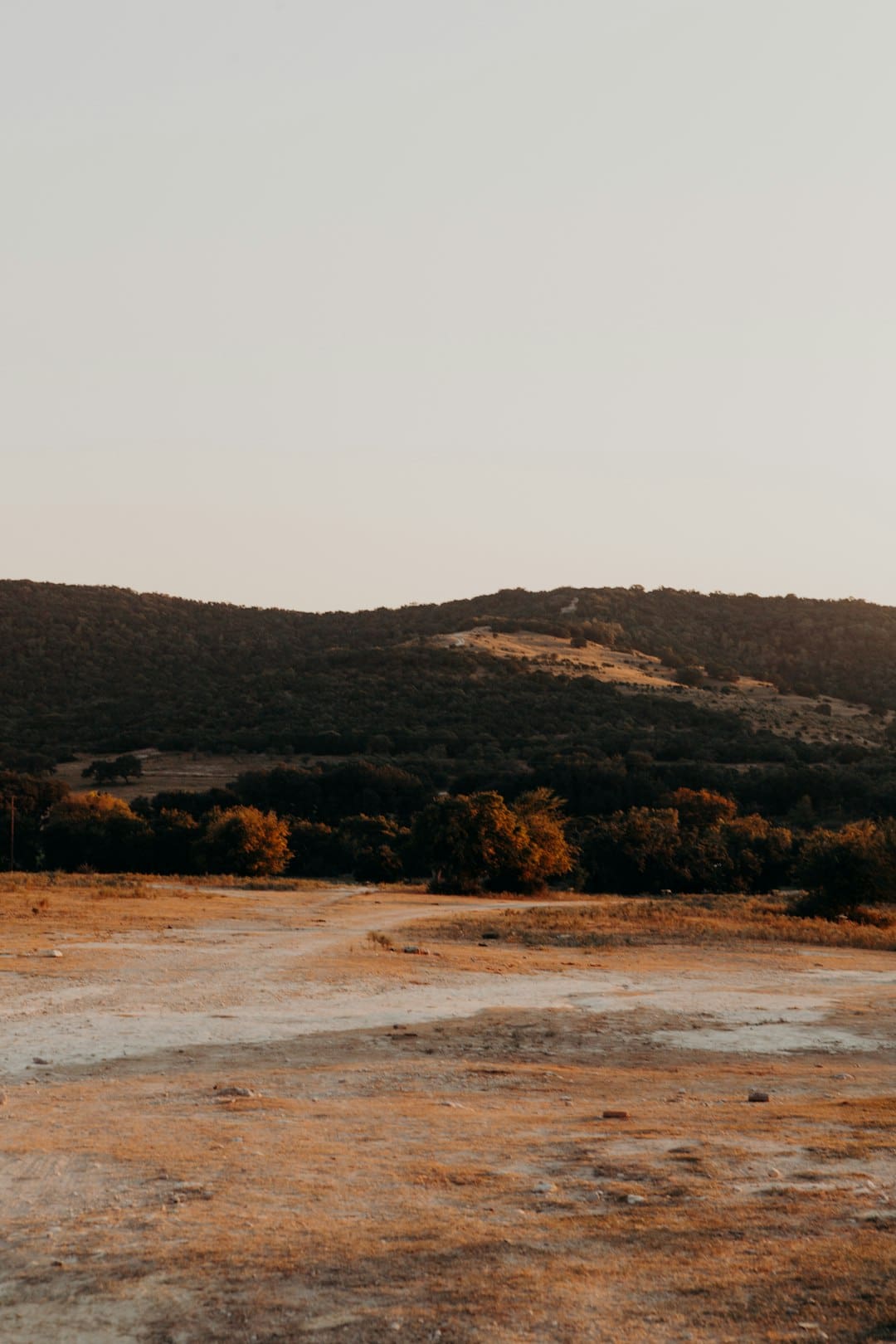
Most people who get cedar fever live downwind of it. Out here, people live in it. The hills of the western Hill Country are dark green all winter for one reason, and that reason is the same tree that puts half of Central Texas on antihistamines every January.
The short answer: cedar fever is an allergy to the pollen of Ashe juniper, the tree everyone in Texas calls mountain cedar. The season usually runs from December into mid-February, sometimes starting in late November, and peaks in mid-January, with the worst days coming right after a cold front. Despite the name, it doesn’t give you a real fever. Allergists say the people who get through it best start their medication before the season starts, not after the first miserable morning.
What is cedar fever, exactly?
It’s an allergic reaction to pollen from Juniperus ashei, the Ashe juniper. Nobody out here calls it that. It’s cedar, mountain cedar, or in the Lady Bird Johnson Wildflower Center’s long list of local names, rock cedar, post cedar, Texas cedar and brake cedar. It is a juniper, not a true cedar, but that ship sailed generations ago.
Baylor Scott & White puts mountain cedar on roughly 8.6 million acres of Texas, mostly in the Hill Country, and notes that a single tree can release billions of pollen grains. That’s the whole problem in one sentence. As Texas Standard put it in its cedar season explainer, “really, there’s a lot of it.”
Only half the trees are the problem
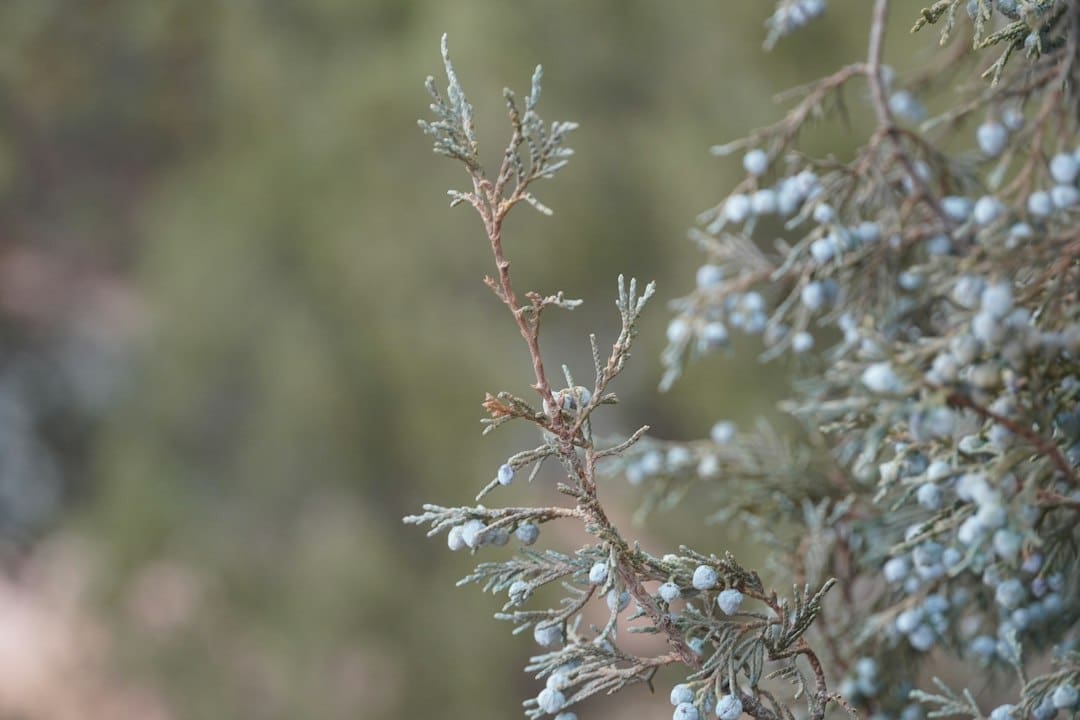
Ashe juniper is dioecious, which means male and female flowers grow on separate trees. The Wildflower Center’s description is the most useful field guide you’ll get: female trees carry blue, berry-like cones, and male trees take on “a burnt gold appearance in winter due to pollen.” If a cedar on the hill looks rusty in December, that’s the one loading up.
When does cedar season start and end in Texas?
Every source puts it in the same window, give or take a couple of weeks at either end:
- Baylor Scott & White: December to February, peaking in mid-January.
- Allergy & Asthma Network: December 15 to February 15.
- KSAT’s pollen explainer (San Antonio): the end of December through Valentine’s Day, peaking in mid-January.
- Texas Standard: pollination usually starts in mid-December and peaks with a hard cold front in early January, lasting to the end of January or the first week of February.
A North Texas allergist told KXII that people are exposed from late November, so if you’re sensitive, don’t assume Thanksgiving is safe. In practice, the trees decide, and some years they start early: in late November 2023, Texas Public Radio reported that cedar fever season had already begun.
Why it gets worse after a cold front
The pattern every Hill Country person learns the hard way: a norther blows through, the sky goes blue and dry and windy, and the next morning your face falls off. KXII reported that “higher pollen counts are linked to post-cold front conditions,” and KPRC’s meteorologist explained that when fronts sweep through, strong winds carry the pollen hundreds of miles east. That’s how a tree that grows in the Hill Country ruins January in Houston.
Baylor Scott & White’s tell for figuring out whether cedar is your culprit is simple: symptoms that get worse on windy days and better when you’re indoors.
Is it cedar fever or the flu?
Here’s the part that matters in January, when flu season and cedar season land on top of each other.
The fever is the giveaway. “The term cedar fever, like hay fever, is a misnomer, because you don’t get fever with allergies,” Dr. Edward Brooks of UT Health San Antonio told Texas Standard. Baylor Scott & White says inflammation can nudge your temperature up slightly, but cedar fever symptoms “typically don’t include body aches or a genuine fever above 100°F.” An Austin allergist quoted by the Allergy & Asthma Network put it plainly: most flu comes with a substantial fever, and cedar fever doesn’t.
What cedar fever does bring, per those same sources: sneezing, a runny or stuffy nose, itchy and watery eyes, sinus pressure, post-nasal drip, a sore throat, headaches and fatigue. It also comes on fast. “The symptoms start very suddenly and significantly so that it seems almost flu-like,” Dr. Edward Peters of Allergy & Asthma Consultants in Austin told the Allergy & Asthma Network.
Doctors see the mix-up both ways. “I’m seeing people think they have the flu and it ends up being allergy symptoms or people think they have allergies and it ends up being an infectious process,” Dr. William Neaville of Southwest Allergy & Asthma Center told KXII. So if you’re running a real fever or aching all over, that’s a reason to call your doctor, not to blame the trees.
What allergists say actually helps
None of this is medical advice from me. It’s what the allergists quoted in recent coverage recommend, and your own doctor gets the final word on what’s right for you.
Start before the season does
This is the one point the sources agree on most. Baylor Scott & White’s allergist says “you must start early.” KPRC’s reporting says allergy medications work best taken consistently through cedar season, not saved for the days it gets bad. If you know you get cedar fever, December is the time to have a plan, not the second week of January.
The usual over-the-counter lineup
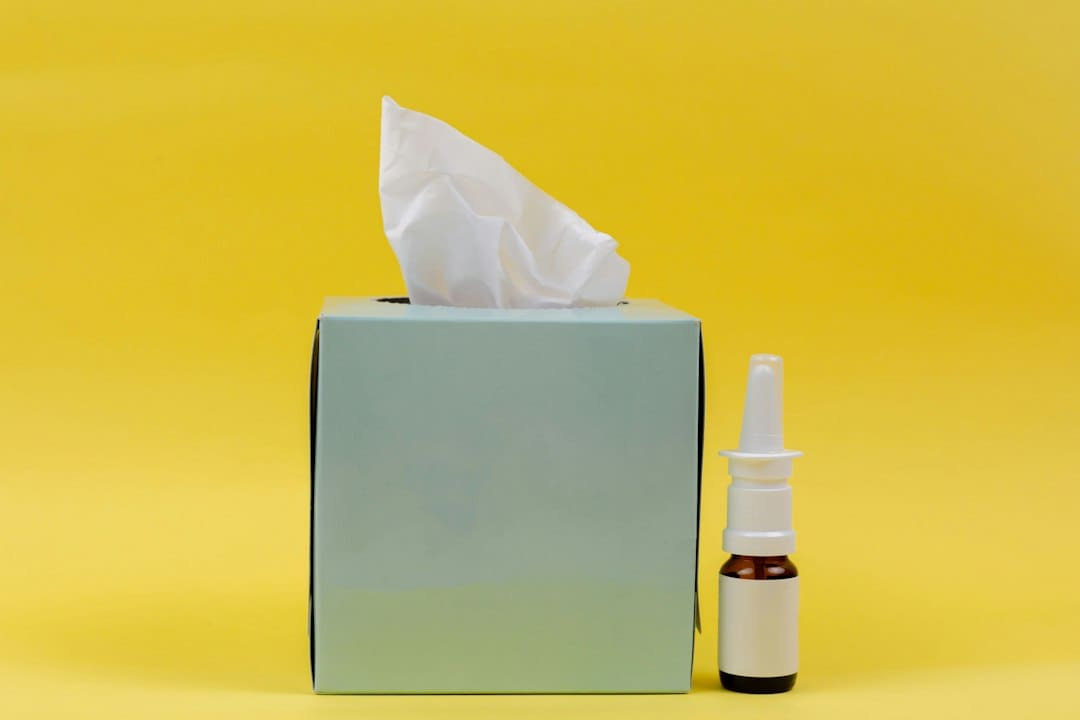
The allergists cited here name the same short list: a nasal steroid spray, oral antihistamines, allergy eye drops and saline nasal rinses. Dr. Neaville named Flonase as an example of a nasal steroid, and Zyrtec, Claritin and Allegra as antihistamines. Baylor Scott & White adds that a doctor can prescribe an antihistamine nasal spray if those aren’t enough. Ask your doctor or pharmacist which combination makes sense for you, especially if you take anything else.
Allergy shots are a summer decision
Immunotherapy can work well, but it’s slow. Baylor Scott & White says it can be effective for 70 to 80% of people and that your immune system needs six to 12 months of shots, which makes late spring or early summer the ideal time to start. If you first see an allergist in January, shots may not do much for this season. If cedar wrecks you every year, put a reminder in your calendar for May.
Keep the pollen out of the house
From Baylor Scott & White and the Allergy & Asthma Network:
- Keep windows and doors closed on high-pollen days.
- Shower and change clothes after you’ve been outside.
- Wash bedding regularly in hot water, and don’t hang laundry outside to dry during cedar season.
- Run an air purifier with a HEPA filter.
- Check the daily pollen count and limit time outdoors when it’s high.
Texas Standard also reported that a mask helps on the high days, which is worth knowing if your outdoor work can’t wait for a low count.
One small, unglamorous note: the skin around your nose takes a beating by week three. If yours ends up raw and flaky, the same rules from my post on repairing a damaged skin barrier apply.
When to see someone
The Allergy & Asthma Network says to book a board-certified allergist if symptoms linger or get worse, and that people with asthma should follow their asthma action plan and get medical help if they have trouble breathing. Baylor Scott & White says a doctor may refer you to an allergy clinic when the usual remedies aren’t helping.
Where to check the cedar count
In San Antonio, KSAT posts a daily pollen count online at ksat.com/weather/pollen-count. According to KSAT, a local allergist collects a sample from an air-sampling instrument every morning, counts the grains under a microscope, and meteorologists usually have the number before 9 a.m. It’s reported in grains per cubic meter of air. Keep in mind that it’s one sampling point, and KSAT notes your own exposure can vary depending on how close you are to trees that are pollinating. If you live under them, plan accordingly.
Why we don’t just cut it all down
Everybody who moves out here asks this by their second January. The Wildflower Center says it outright: where Ashe juniper grows thick, as it does in Central Texas, the pollen makes it “hated and targeted for removal.”
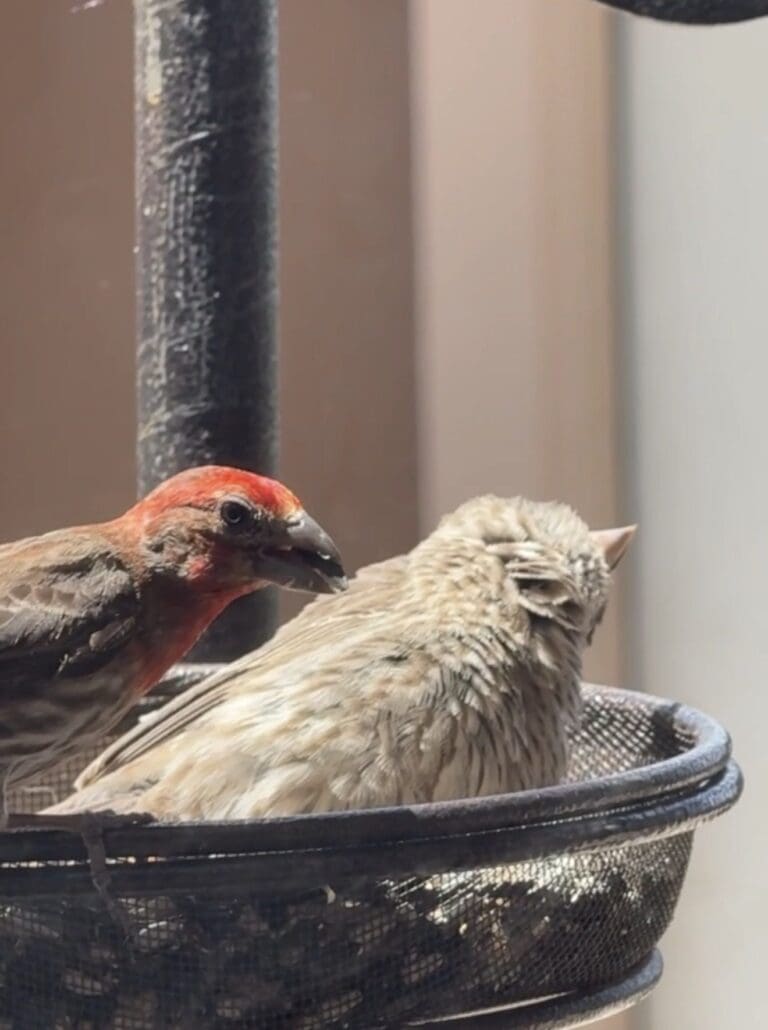
But it isn’t all villain. The female trees’ berries are “highly palatable to many species of birds and small mammals,” according to the Wildflower Center, and if you’ve watched birds out here for any length of time (here’s how to set up a bird sanctuary outside your window), you know how much of the winter traffic happens in the cedar. The Wildflower Center also notes that the rare golden-cheeked warbler builds its nests almost exclusively from strips of Ashe juniper bark. The tree that makes you miserable in January is the same one at least one of the rarest birds in the state can’t nest without.
If you own land out here, any cedar work is better planned for after the pollen is done than in the middle of it. My spring checklist for Texas land is where the rest of that season’s chores live.
Cedar fever FAQ
When is cedar fever season in Texas?
Roughly mid-December through mid-February, with the peak usually in mid-January. Some sensitive people notice symptoms from late November, and the worst days tend to follow cold fronts.
Does cedar fever cause a fever?
Not a real one. Allergists call the name a misnomer. Baylor Scott & White says it doesn’t typically cause a fever above 100°F or body aches, so a true fever points to something else, like the flu.
What tree causes cedar fever?
Ashe juniper (Juniperus ashei), commonly called mountain cedar. Male and female flowers grow on separate trees, and the male trees turn a burnt-gold color in winter when they’re loaded with pollen.
Why is cedar fever worse after a cold front?
The dry, windy weather behind a front stirs up the pollen and carries it long distances, which is why counts tend to spike right after a norther comes through.
Do I need to live in the Hill Country to get cedar fever?
No. Wind carries the pollen far beyond the Hill Country, which is how it reaches Austin, San Antonio and even Houston.
As of November 2026. Medical information here comes from the allergists and health organizations named below. It’s for general information, isn’t medical advice, and doesn’t replace talking to your own doctor.
Sources
- Baylor Scott & White Health, “Cedar fever vs. seasonal allergies: What’s the difference?” (Dr. Ray Jaime Rodriguez, January 2026)
- Texas Public Radio / KUT, “You can run, but you can’t hide: Texans endure a strong cedar fever season” (Nov. 29, 2023)
- Allergy & Asthma Network, “In the Southwest, Cedar Fever Soars in Winter” (revised July 2026)
- KXII, “What to know about symptoms and treatment of ‘Cedar Fever'” (Feb. 13, 2026)
- KPRC Click2Houston, “What is cedar fever, and how is it different from seasonal allergies?” (Jan. 16, 2026)
- Texas Standard, “What you need to know about cedar fever season in Texas” (Nov. 28, 2023)
- Lady Bird Johnson Wildflower Center, Native Plant Database: Juniperus ashei
- KSAT, “How does the pollen count for San Antonio work?”