How a Bird Sanctuary Outside My Window Saved My Work-From-Home Days
I didn’t set out to become a bird person. I set out to survive a desk job in a spare bedroom — and a window feeder quietly did what three productivity apps couldn’t.
Two years into working from home, my world had shrunk to the size of a monitor. I’d start before sunrise, look up, and somehow it was 2 p.m. and I hadn’t stood up, eaten, or looked at anything more than six feet away. The walls felt closer every week. If you’ve done remote work, you know the particular flavor of that fog.
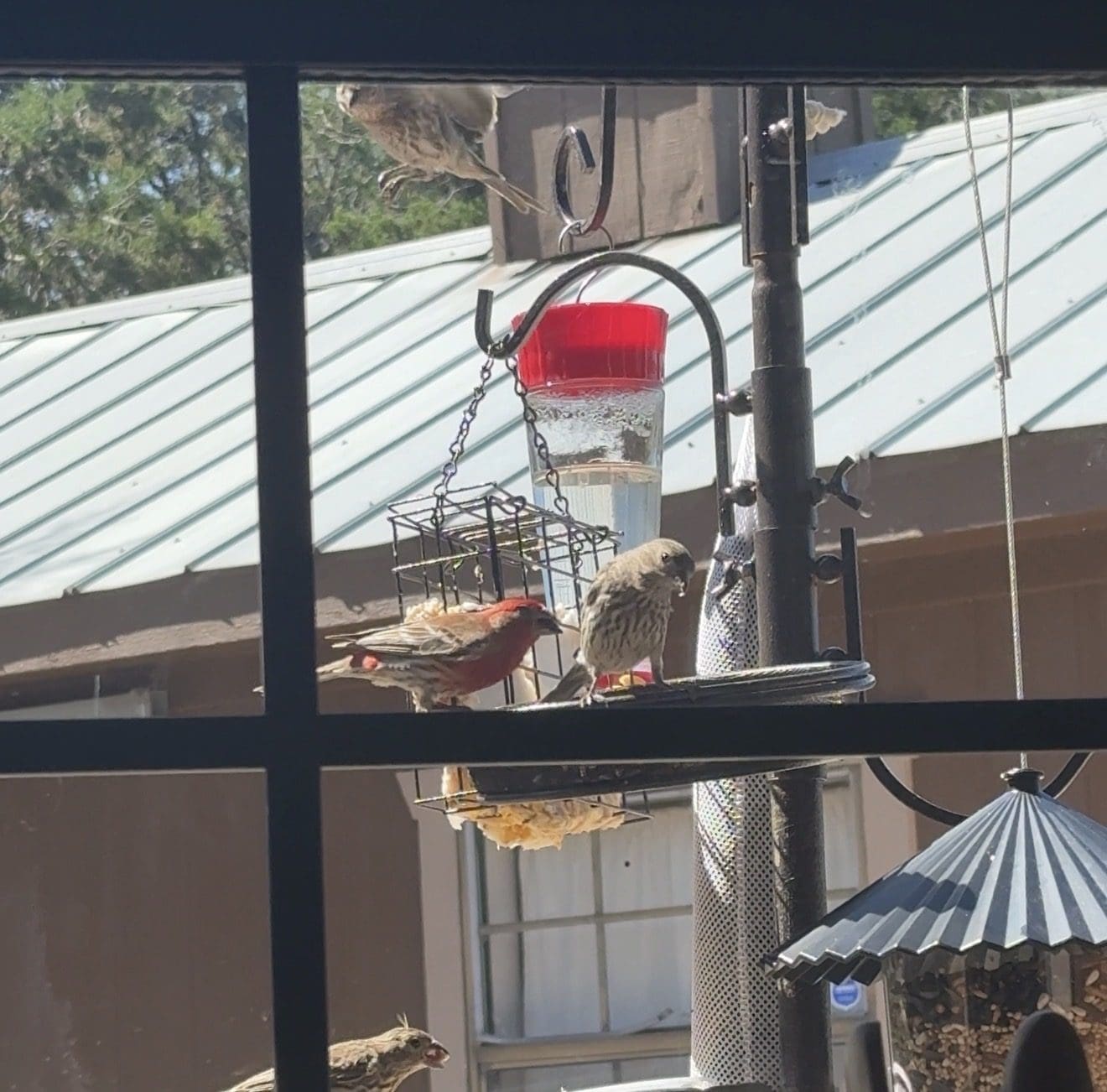
On a whim — really just to have something to look at — I put up one of those tall black shepherd’s-hook poles right outside the window by my desk and started hanging feeders on it: one, then another, then a suet cage, a little dish, a hummingbird feeder, until it looked like a tiny feeder department store. For about a week, nothing. Then a House Finch found it. Then a pair. Then, one stunned morning, a male Painted Bunting landed a few feet away, just on the other side of the glass, looking like a tropical postcard, and I actually said “oh” out loud to an empty room.
That was the beginning. Over a season the single feeder turned into a whole little window bird sanctuary: a couple of feeders, a shallow water dish, a brush pile just past the glass, and a front-row seat to a tiny wild world that had been going on without me the entire time.
What it actually did for my head
I’m not going to tell you a bird feeder fixed my life. It didn’t. But it gave me something to actually look forward to in a day that didn’t have much going on — and that turned out to matter way more than I would’ve guessed.
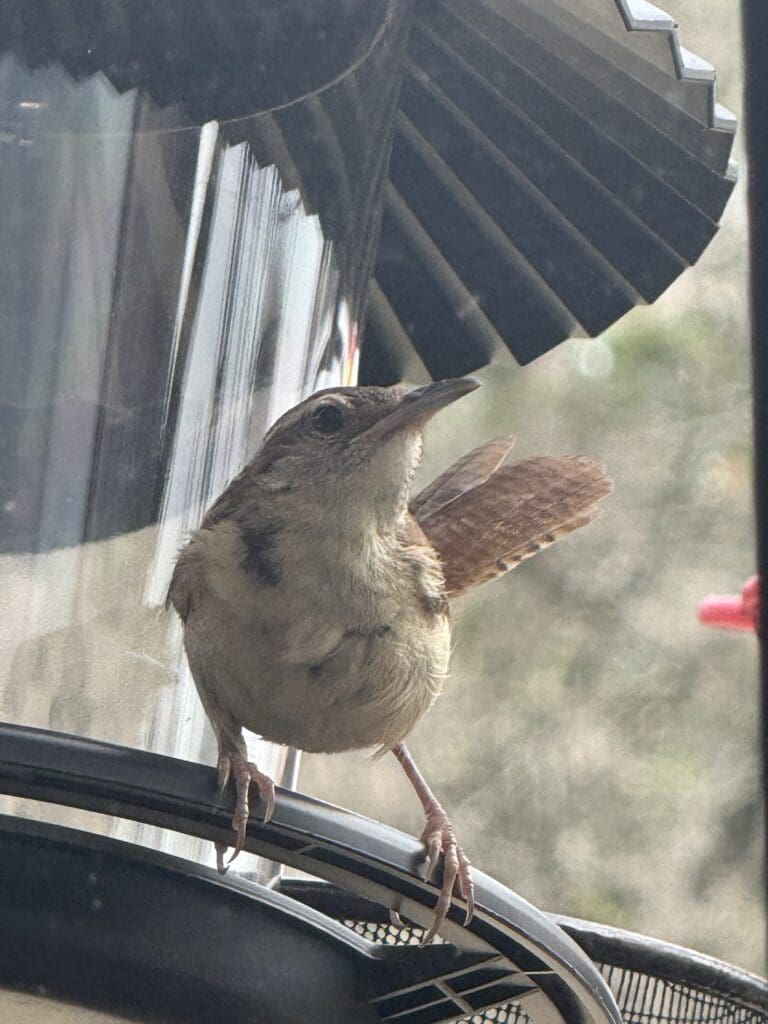
There’s a name for what I was feeling: our attention gets depleted by hours of effortful focus — spreadsheets, Slack, the relentless screen — and it gets restored by soft, gentle, involuntary attention, the kind nature pulls from you without any effort at all. Watching a wren flick its tail or a finch crack a seed is exactly that. Ninety seconds at the window and I’d come back to the work calmer and clearer than any amount of coffee ever did.
It also rebuilt a sense of time. Remote days blur together; birds don’t. The buntings arriving in April meant spring. The bluebirds working the fence all winter meant I wasn’t as alone out there as I felt. My days had some shape to them again.
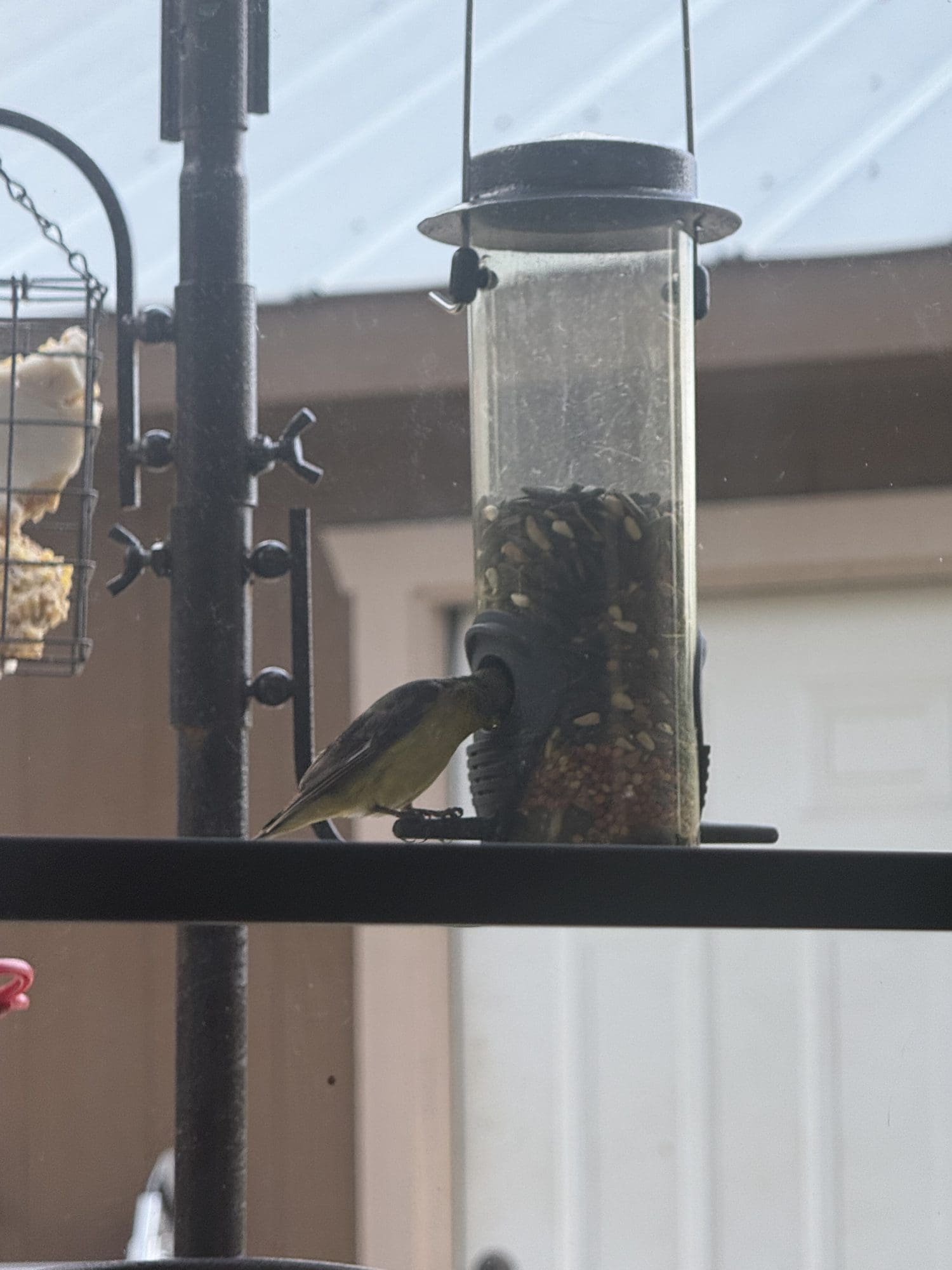
How to build your own window bird sanctuary
The whole thing is gloriously low-effort and low-cost. You don’t need a big yard — you need a window and a little patience. Here’s the setup that worked for me, start to finish.
✅ Your window-sanctuary checklist
Tap each one as you go — it saves nothing, it’s just satisfying.
Meet the regulars
Once the window sanctuary got going, the same cast of characters kept showing up — and I fell down a rabbit hole learning everything about each one. I’m writing up a full profile for every bird that visited: where they’re from, where they migrate, what they eat, and exactly how to bring them to your own window. Here’s the lineup.
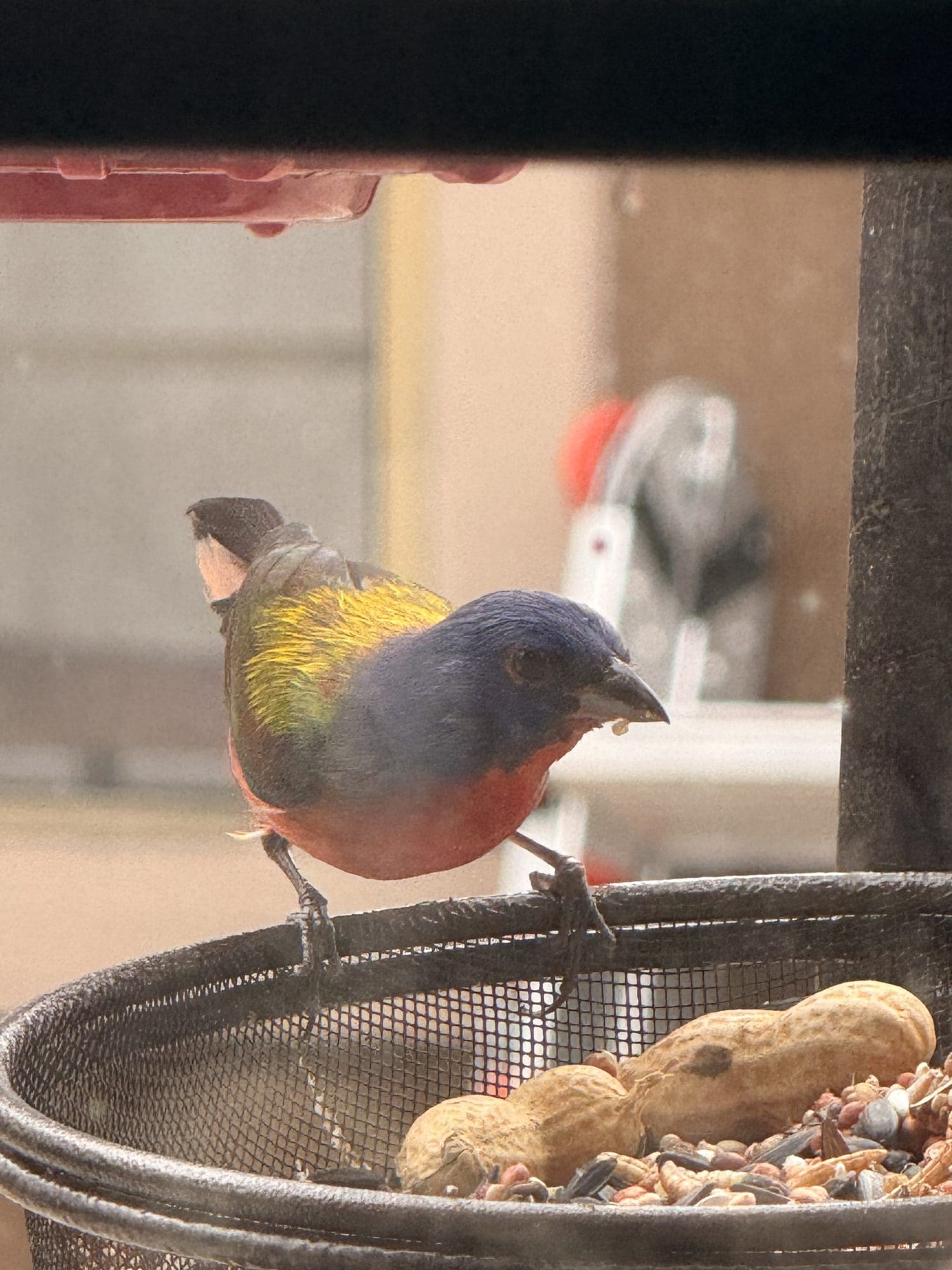 Painted Bunting →
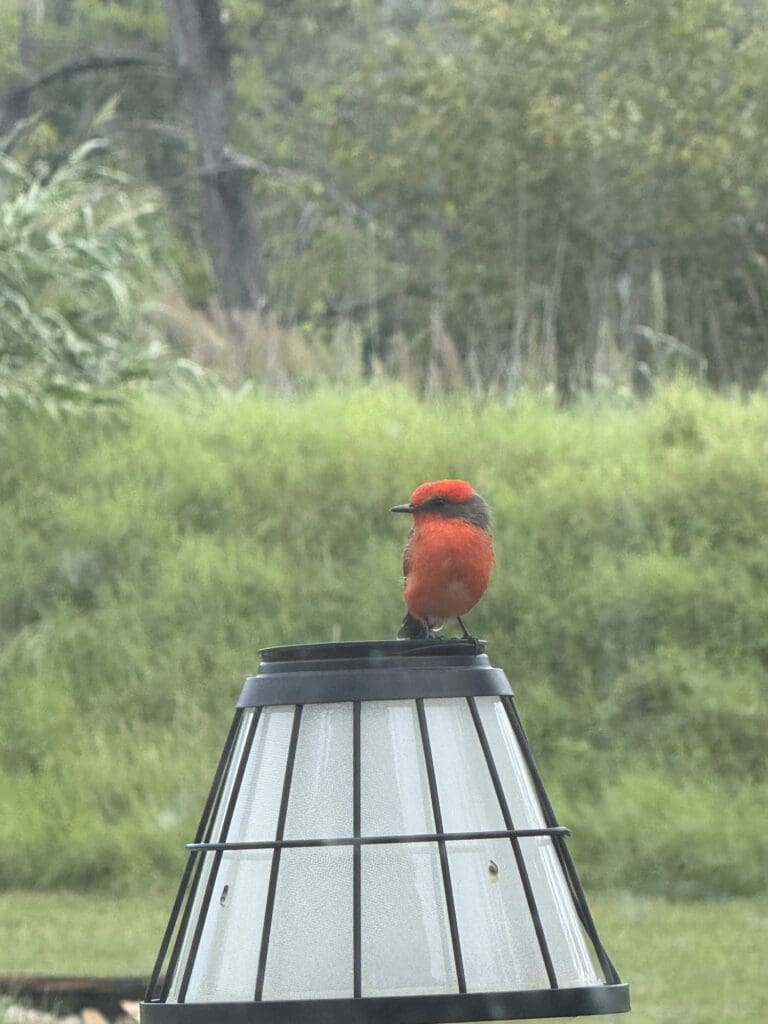
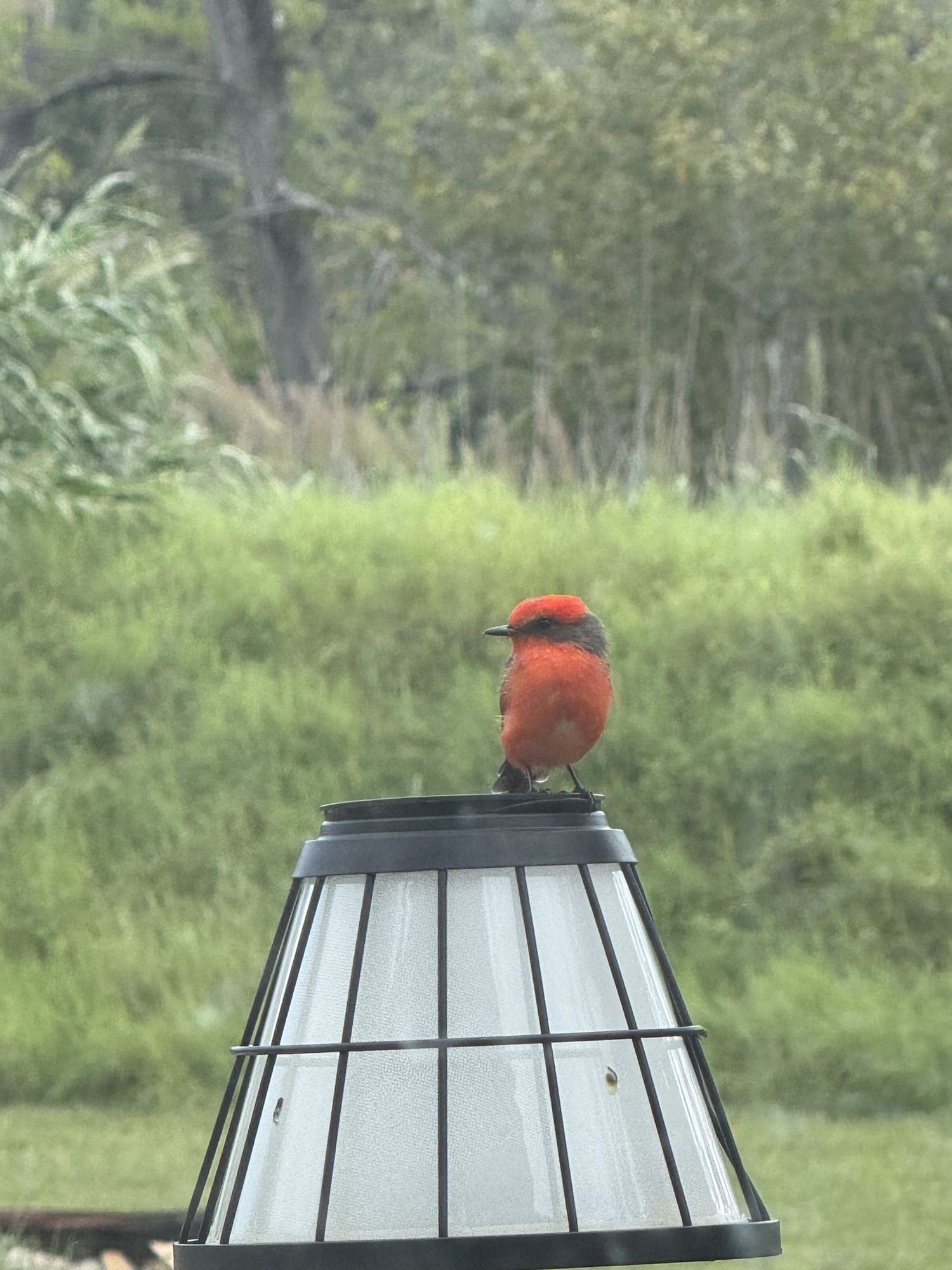 Vermilion Flycatcher →
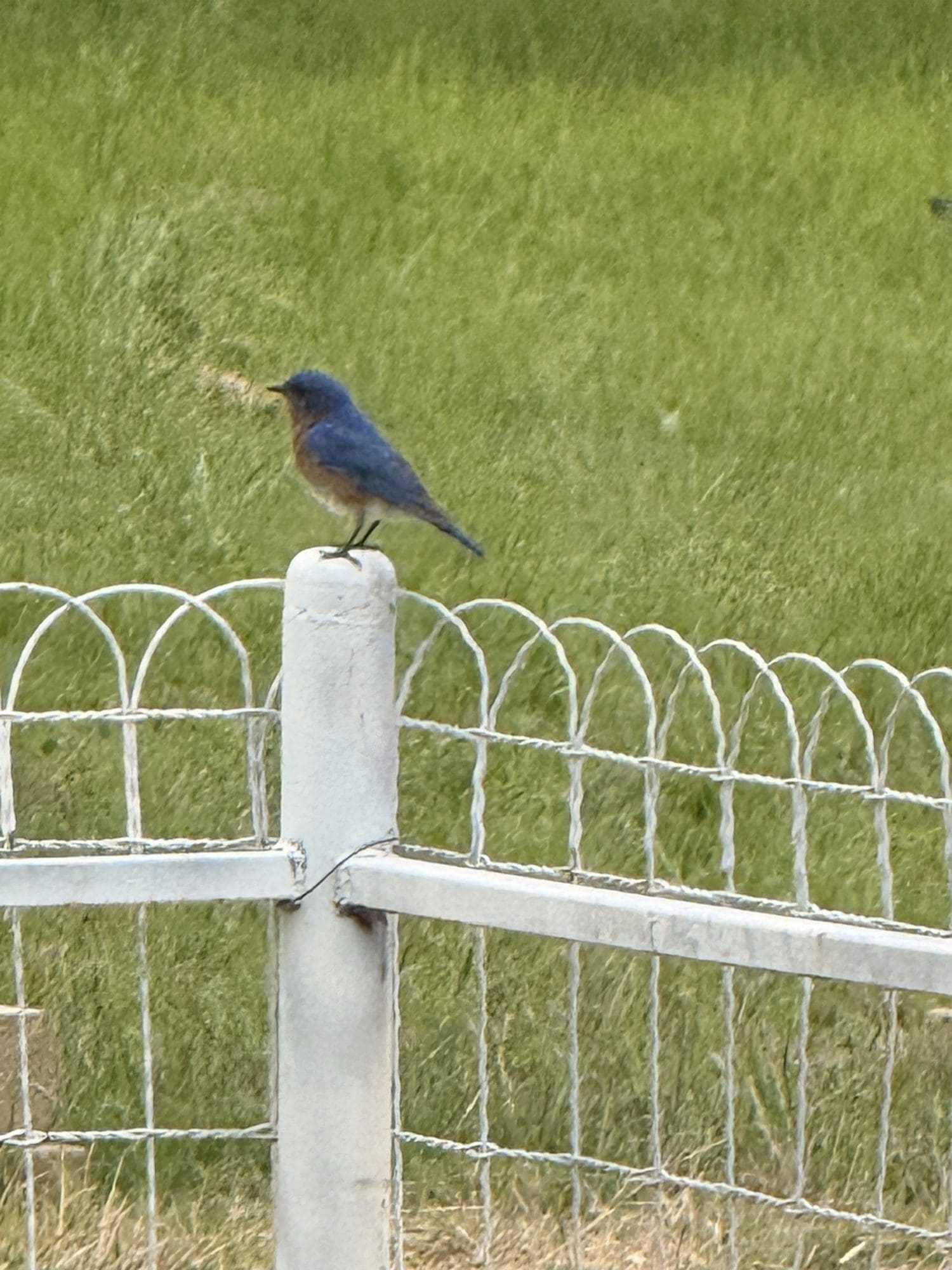 Eastern Bluebird →
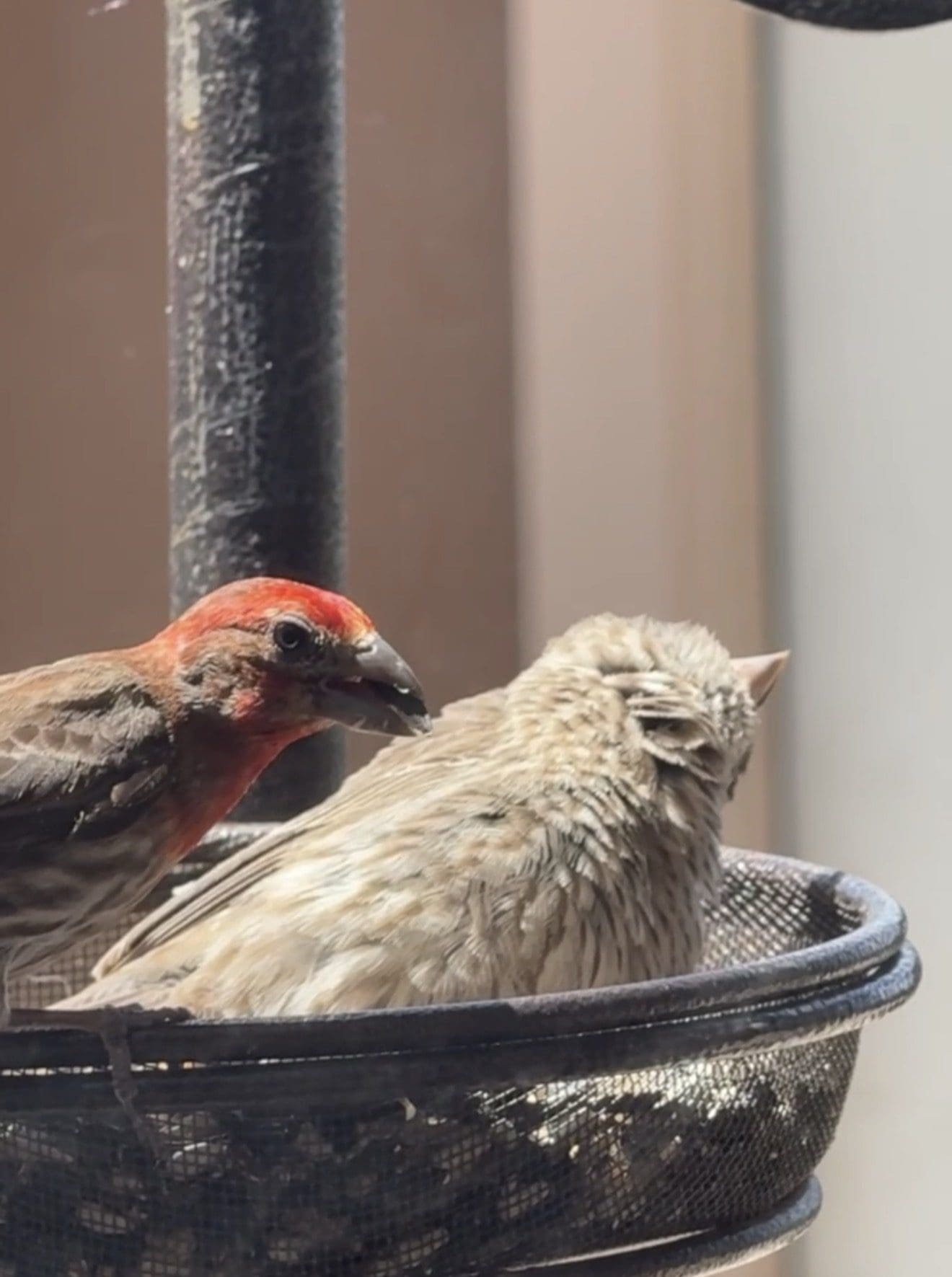 House Finch →
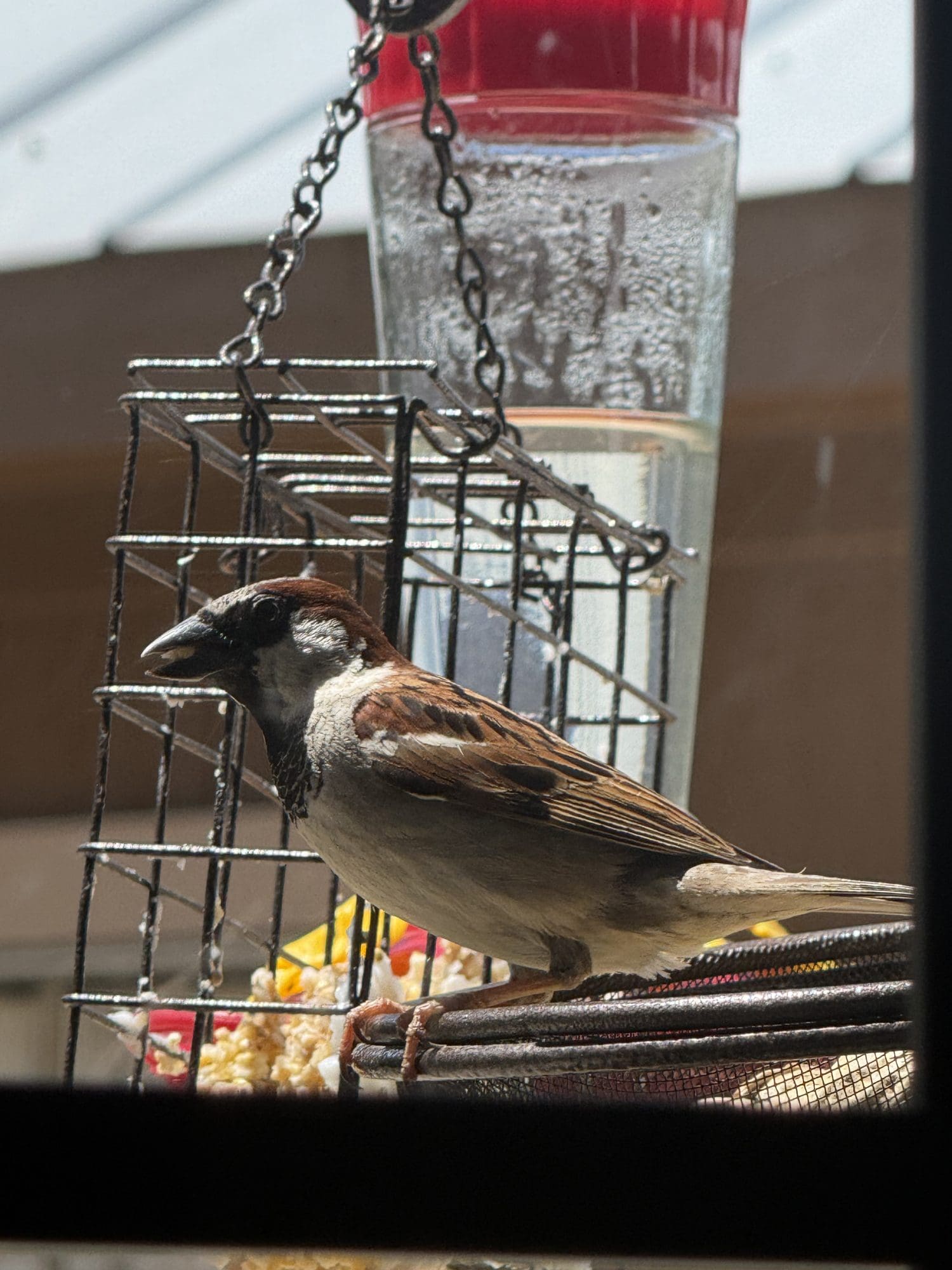 House Sparrow →
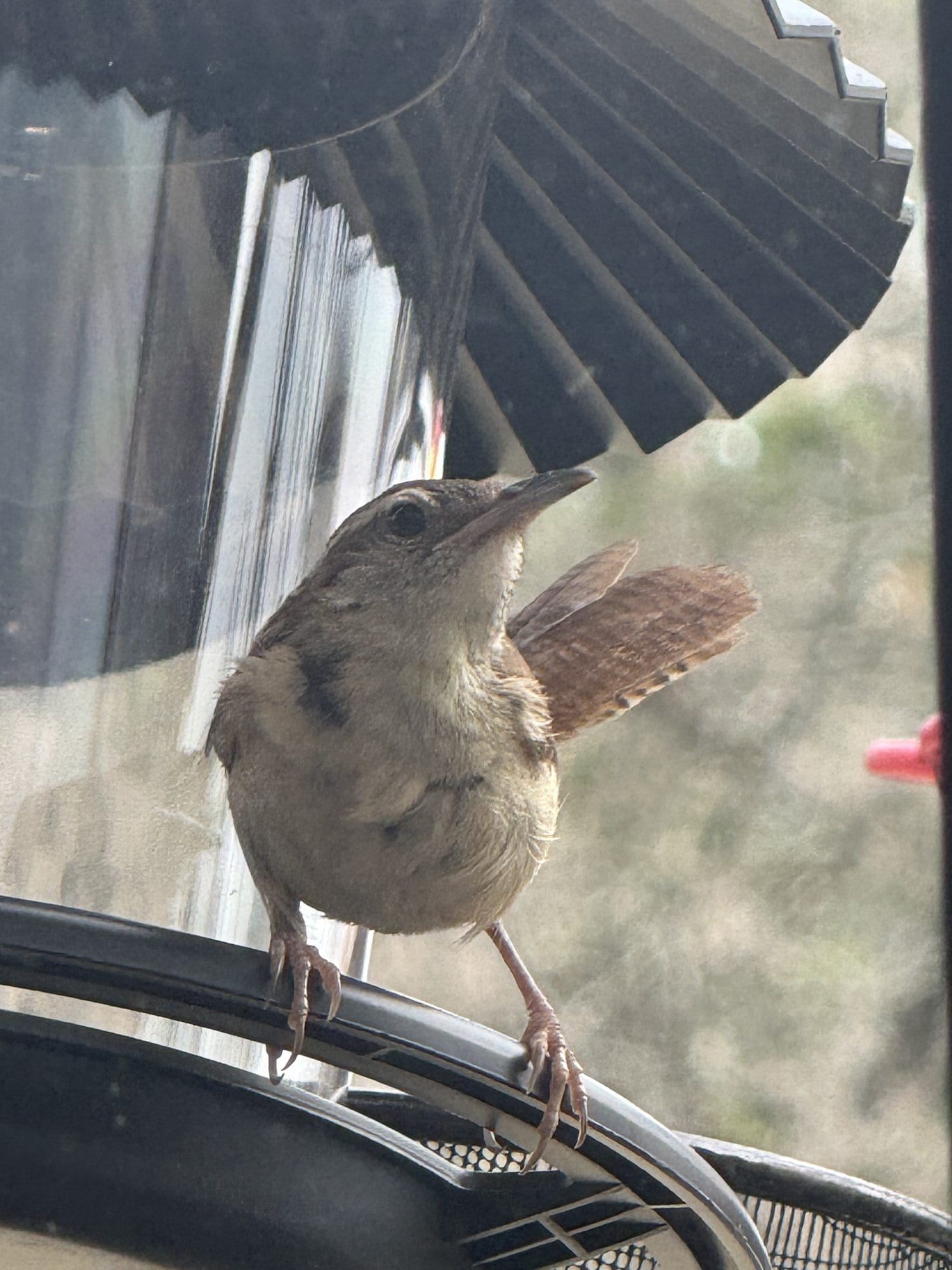 Bewick’s Wren →
If you take one thing from this: you don’t need a cabin in the woods to feel reconnected to the natural world. Sometimes you just need a clean window, a handful of seed, and the willingness to look up.