If You Own Land in Texas, Do These Things This Spring
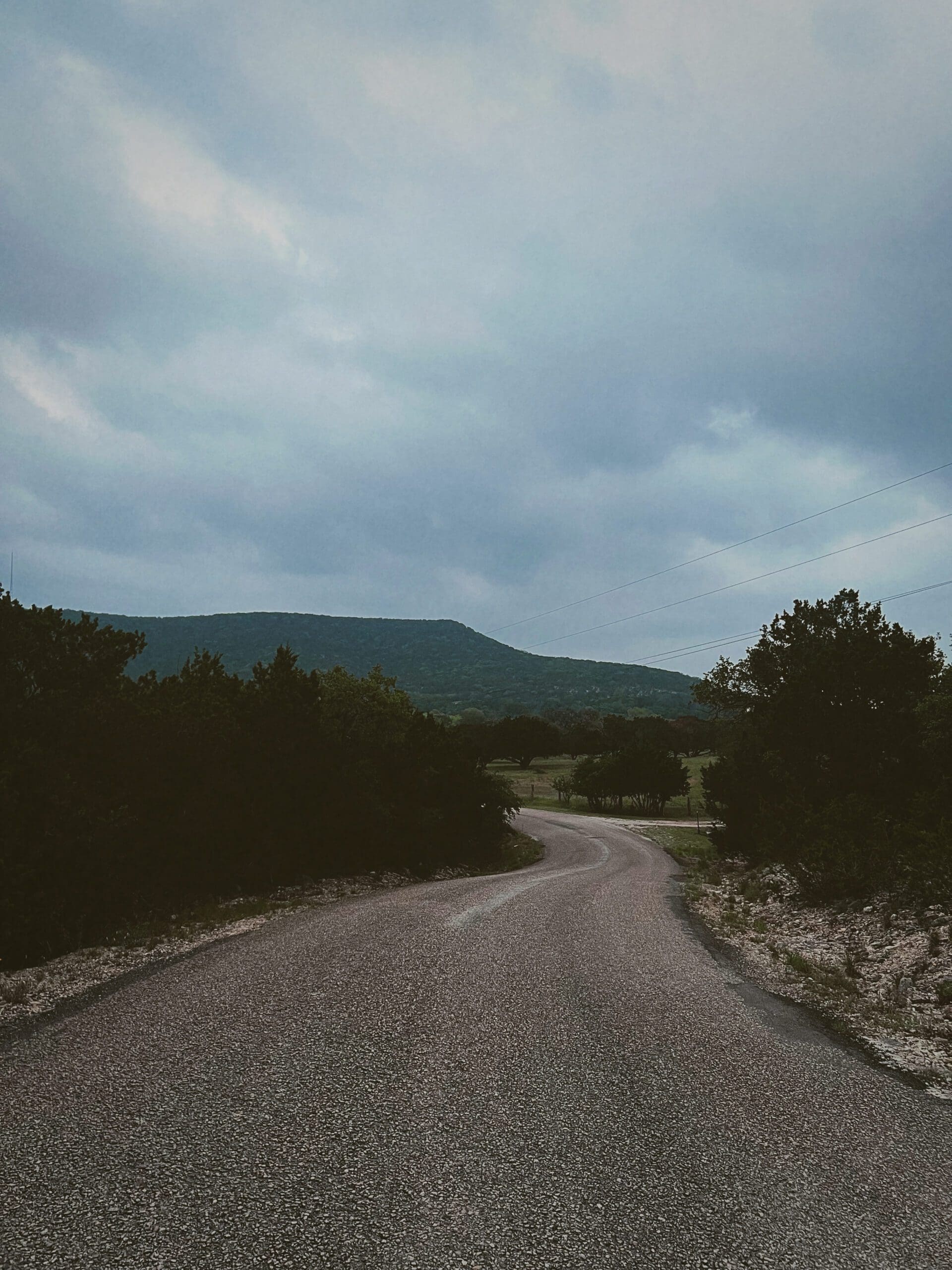
Summer in Texas does not ease in. It arrives, it is immediate, and it is unforgiving. The window between the end of cedar season and the start of triple-digit heat is genuinely short — somewhere around six weeks if you’re lucky — and what you do with that window determines how the rest of your year goes on a piece of Texas land. This is why Texas land spring maintenance is crucial.
I’m a seventh-generation Texan. We have a ranch in the Hill Country. I’ve watched what happens when spring maintenance gets skipped, and I’ve watched what happens when it doesn’t. This is the list.
Start With a Full Property Walk
Before you do anything else, walk the property. All of it. Winter has a way of creating problems you don’t know about until you’re standing in front of them — downed fence lines, erosion from rain events, trees that didn’t survive the freeze, brush that crept in while you weren’t paying attention. This is key to Texas land spring maintenance.
Make a list as you go. What needs immediate attention, what can wait, what requires a professional. You can’t make a good plan from inside the house.
Weed Control: This Is Time-Sensitive
Spring is the most important window for weed control on Texas land and most people miss it by waiting too long. The goal is pre-emergent herbicide application before weeds germinate — once they’re up and established, you’re playing catch-up all summer.
A few specifics worth knowing for Texas land spring maintenance:
Crabgrass is an annual that germinates in spring, thrives in our heat, and produces up to 150,000 seeds per plant before it dies in fall. Pre-emergent herbicide in early spring is your best defense. Once it’s growing, you need post-emergent and it’s a much harder fight.
Sandburs are the ones your dogs will make you very aware of. They favor dry, disturbed soil and spread aggressively. Pre-emergent in spring, hand-pulling or post-emergent for anything already sprouted. If you have dogs that go outside — and on a ranch, of course you do — getting ahead of sandburs in March is an act of mercy.
Broadleaf pasture weeds including thistle and plantain respond well to targeted herbicide treatment in spring before they go to seed. Identify what you’re dealing with first — your county ag extension office can help — then select the right product. Don’t spray the whole pasture if spot treatment will do.
Natural Options
The rule of thumb: identify your weeds, understand whether they’re annual or perennial, apply pre-emergent before soil temperatures rise, and use post-emergent only where necessary. Spraying once every 30 days maximum to avoid grass injury.
If you’d rather skip synthetic herbicides entirely or want to supplement your chemical treatments with something more natural, there are a few options that actually work on Texas land. Straight horticultural vinegar — not the stuff in your kitchen, but the 20–30% acidity agricultural grade — kills most broadleaf weeds and young seedlings on contact within 24 hours. It’s non-selective though, meaning it will damage grass too, so it’s best used for spot treatment along fence lines, gravel areas, and driveways rather than in pastures.
A mixture of horticultural vinegar, salt, and a small amount of dish soap is a common DIY formula that increases effectiveness on stubborn weeds. For pastures specifically, corn gluten meal works as a natural pre-emergent — it inhibits seed germination and adds nitrogen to the soil at the same time, which is a rare two-for-one. It won’t touch established weeds, but applied in early spring before germination it can meaningfully reduce your weed load. The honest caveat: natural options require more frequent application and more labor than conventional herbicides, and on a larger piece of land the math doesn’t always work in their favor. They’re most practical for targeted problem areas rather than broad pasture management.
Cedar: The Ongoing Battle You Cannot Ignore
If you own land in the Hill Country, you already know. Cedar — specifically Ashe juniper — is relentless. It invades every site where fire doesn’t reach, it steals water from the aquifer, and left unchecked it will turn productive pasture into a cedar brake within a decade.
The important thing to understand about cedar management: one treatment is not enough. Ashe juniper dies when cut, but the soil is full of seeds, and you’ll be back fighting seedlings in seven to eight years. Spring is a good window for cutting because you can see what survived winter and what didn’t, and because you’re working before the heat makes it miserable.
For young cedar regrowth specifically — the seedlings coming up in areas you’ve previously cleared — early spring spot treatment or mechanical removal while they’re small is far more effective than dealing with established trees later. Get them before they root deep.
If you haven’t addressed cedar on your property in several years, this is the spring to start. The fire risk alone is reason enough.
Fence Line Inspection and Repair
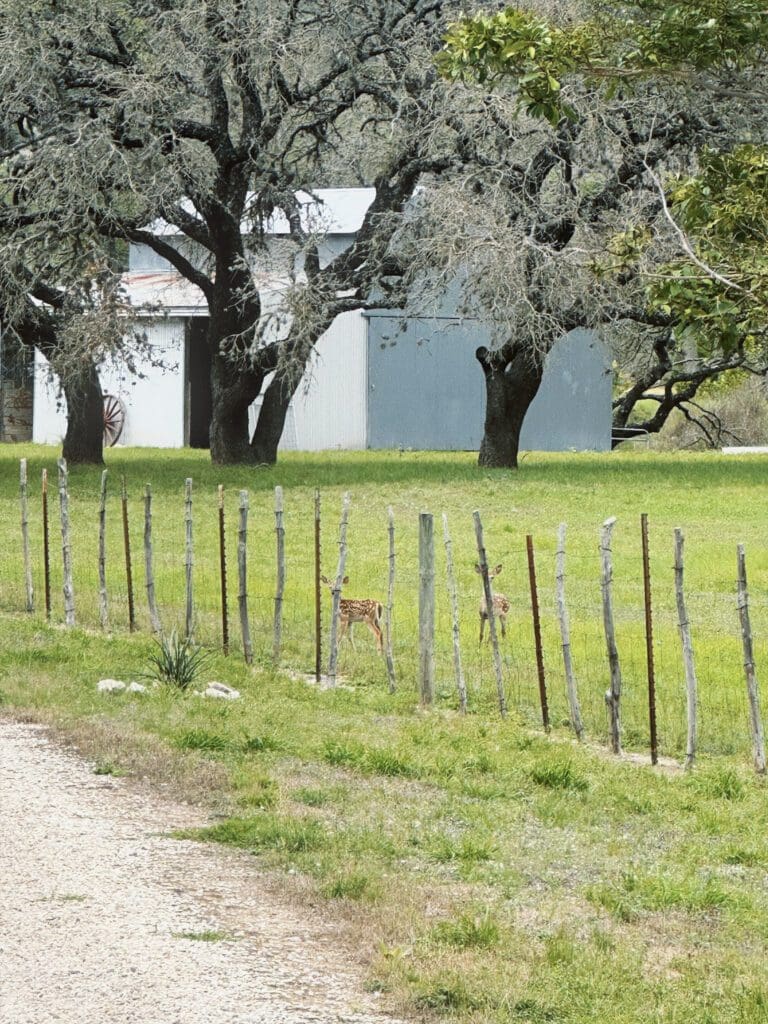
Winter is hard on fences. Temperature swings contract and expand materials, fallen trees take out sections, and erosion undercuts posts. Walk every fence line on the property and note what needs repair before summer — when the ground hardens and post-setting becomes exponentially more difficult.
Check: post integrity, wire tension, gate hinges and latches, and any sections where brush has grown into the fence line. Brush growing into fencing is both a structural problem and a fire hazard, and spring is the time to clear it while conditions are still manageable for your Texas land spring maintenance.
Fire Prevention: Clear Your Perimeter
This is not optional in Texas. The combination of summer heat, drought conditions, and dry vegetation creates wildfire risk that is genuinely dangerous, and the work you do in spring directly affects how your property handles that risk.
The priorities: clear brush and dead vegetation from around structures, barns, and outbuildings. Maintain a defensible space of at least 30 feet around anything you don’t want to burn. Cut and remove dead cedar — it is extremely flammable and burns hot. Clear fence lines of accumulated brush. Keep grass mowed in high-traffic areas near structures.
If you have brush piles from previous clearing work still sitting on the property, burn or chip them now while burn conditions are favorable and before summer fire restrictions make it impossible.
Pasture and Soil Health
Spring is when your pasture comes back to life, and what you do in March and April determines what it looks like in August. A few things worth doing now:
Get a soil test if you haven’t done one in the last two to three years. Texas A&M’s soil testing lab handles this for a minimal fee and takes the guesswork out of fertilization. Applying fertilizer without knowing what your soil actually needs is expensive and often counterproductive.
If your pasture has bare patches — areas where overgrazing, drought, or weed pressure has left exposed soil — spring is your window to overseed before the heat arrives. Bare soil is an open invitation for weeds. Dense, healthy grass is your best long-term weed prevention.
If you have enough acreage to rotate pastures, now is the time to plan your rotation for the summer. Giving sections adequate rest prevents the overgrazing that leads to bare soil and weed takeover.
HVAC: Do Not Skip This
Summer in Texas is not the time to find out your AC has a problem. Most summer breakdowns trace back to issues that were present in spring and ignored. Schedule your HVAC service in March or April — before every other homeowner in the Hill Country has the same idea after the first 95-degree day and availability disappears.
What needs attention: replace air filters, have the outdoor condenser unit inspected and cleaned, test thermostat accuracy, and have refrigerant levels checked. If your system is more than ten years old or has had issues previously, twice-yearly service is worth the investment.
On a ranch specifically: outdoor units accumulate debris, dust, and pollen at a higher rate than suburban homes. Check and clean the area around your outdoor unit and make sure airflow isn’t blocked.
Water Systems and Irrigation
Check every water source on the property after winter. Troughs, stock tanks, irrigation lines, and well equipment should all be inspected for freeze damage, leaks, or wear. A line that’s slowly losing pressure in April becomes a failed system in July when you need it most.
Test your irrigation system zone by zone. Look for broken heads, low pressure indicating a line break, and any heads that aren’t covering their intended area. Spring is also a good time to check your well pump if you’re on a well — pressure, output, and any signs of sediment or mechanical wear.
The Order, Summarized
If you’re working through this systematically:
- Full property walk and assessment first
- Pre-emergent weed control — time-sensitive, do this early
- Cedar management — young regrowth while it’s still manageable
- Fence line inspection and repair
- Fire perimeter clearing around all structures
- Pasture soil test and overseeding bare patches
- HVAC service scheduled before the rush
- Water systems and irrigation check
Summer in Texas will come regardless. The only variable is whether you’re ready for it.
Frequently Asked Questions
When should you apply pre-emergent herbicide in Texas? In most of Texas, pre-emergent herbicide for warm-season weeds like crabgrass should be applied in late February to early March, before soil temperatures consistently reach 55°F. In the Hill Country, early to mid-March is typically the right window.
How often does cedar need to be managed on Texas land? Ashe juniper in the eastern and central Hill Country dies when cut but reseeds aggressively. Most landowners find they need to treat the same areas every seven to eight years. Ongoing spot treatment of seedlings between major clearing efforts extends the time between full treatments.
What is the biggest fire risk on Texas ranch land in summer? Dead cedar is the primary fuel for fast-moving wildfires in the Hill Country. It burns hot and spreads quickly. Removing dead cedar, clearing brush from around structures, and maintaining mowed perimeters are the most impactful fire prevention steps a landowner can take.
Do I need a soil test before fertilizing my pasture? Yes. Without knowing your soil’s current pH and nutrient levels, fertilizer applications are guesswork and can cause more harm than good. Texas A&M’s AgriLife extension office offers affordable soil testing and will give you specific recommendations for your land.
When is the best time to repair fences in Texas? Spring, before the ground hardens in summer heat. Post-setting in summer when the soil is baked is significantly harder and more time-consuming. Any fence work that needs to be done should be completed by late April at the latest.