The Best Self-Tanner for Pale Skin: A No-Orange Guide
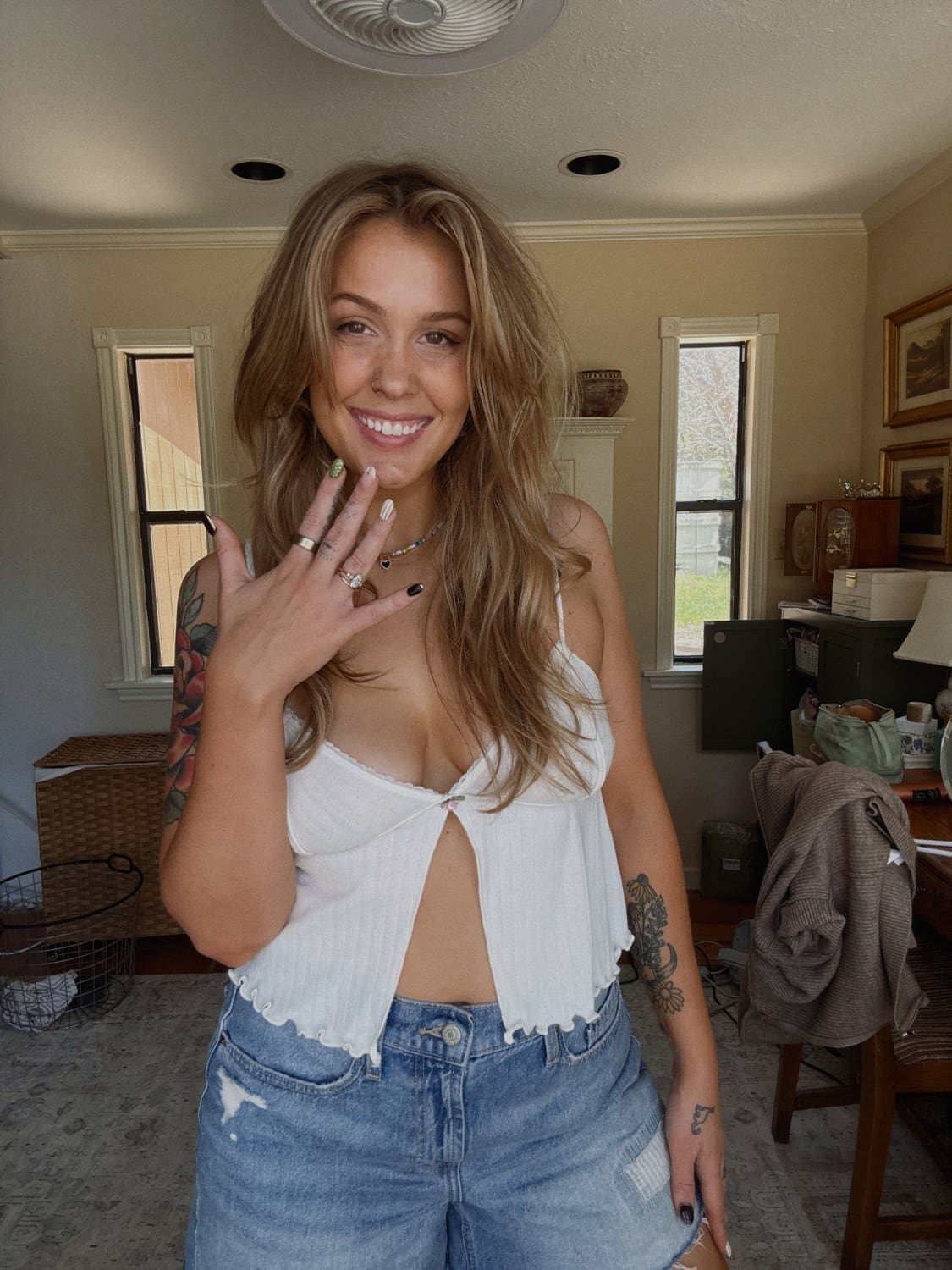
Fair skin and self-tanner have a complicated history. The same formula that gives a deep-toned person a believable bronze can turn pale skin distinctly orange — which is why so many beginners give up after one streaky, biscuit-colored attempt. The good news: with the right formula and a little technique, a natural, sun-kissed glow is completely doable, even on the very palest skin. Here’s the science of why it happens, the products actually worth your money, and exactly how to apply them.
Why pale skin turns orange (the quick science)
Self-tanner works through DHA, a sugar that reacts with the top layer of your skin to create color. The catch: DHA develops warm, orange-brown by nature, and fair skin reacts to it far more intensely than deeper skin does. So a percentage that looks bronze on someone olive can read pumpkin on someone pale. The fix isn’t avoiding self-tanner — it’s choosing a lower DHA level and a formula with a cool or color-correcting undertone that cancels the orange before it develops.
What to look for if you have fair skin
- Low DHA (around 1–3%). You can always build more. Start gentle.
- A cool, green, or violet undertone. These neutralize warmth — the single biggest factor for fair skin looking natural.
- Buildable or gradual formulas. Slow, controlled color beats one dramatic, risky session.
- A color guide and a mitt. The guide shows where you’ve applied; the mitt keeps your palms from going orange.
The best self-tanners for pale skin
Editor’s pick — Bondi Sands Technocolor. This is the one I personally reach for. Its color-correcting technology is built to cancel the exact tones that make fair skin go orange. A note on shades: Bondi lists Sapphire as their fair-skin shade (it counters orange), while Magenta is designed for olive-to-deep tones — I personally wear Magenta and love the result, but if you’re very fair and want the safe bet, start with Sapphire.
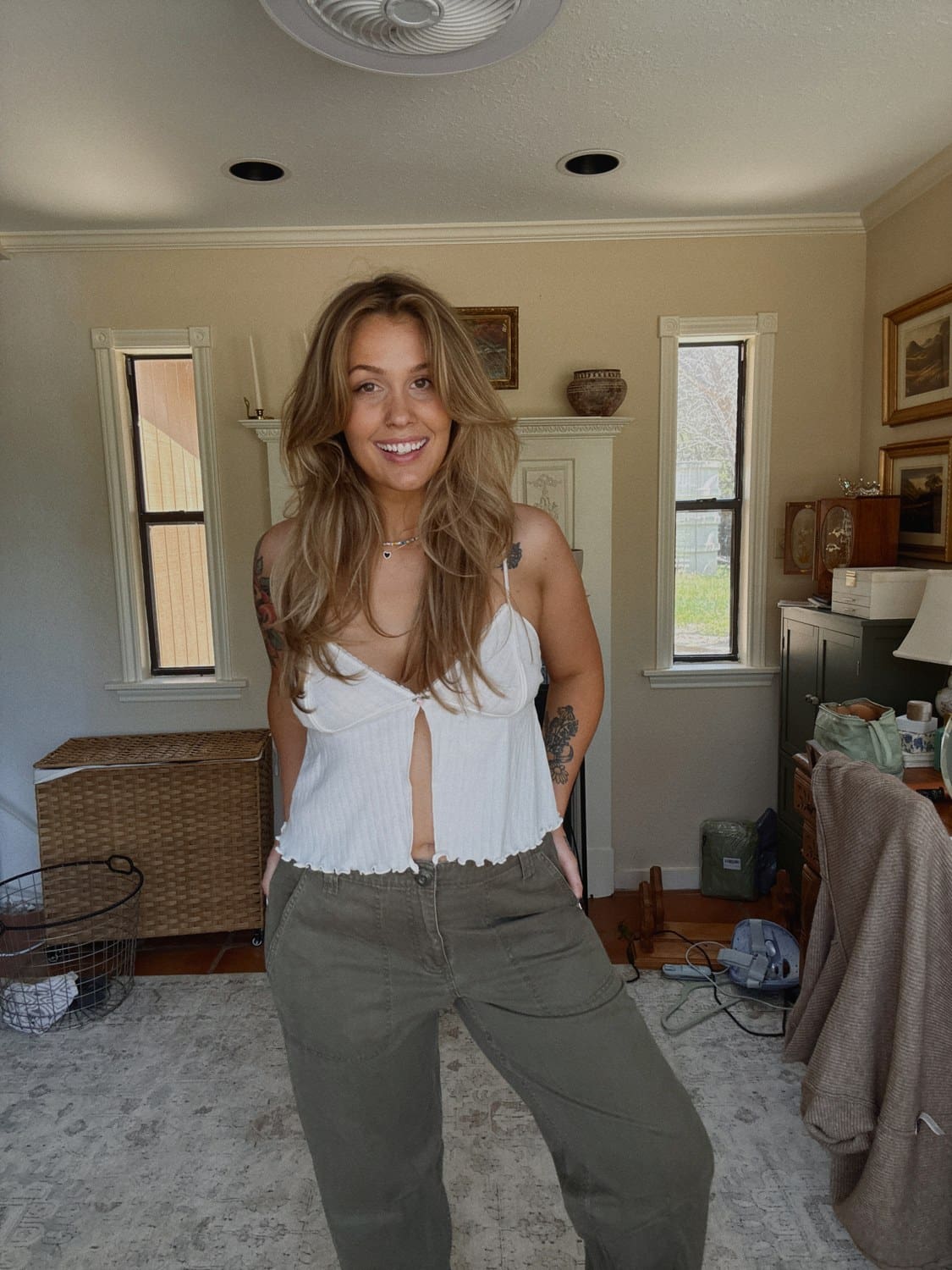
Coco & Eve Sunny Honey Bronzing Mousse. A cult favorite for good reason — natural bronze, no orange, and the mousse texture blends easily with a mitt. A great first “real” tanner.
St. Tropez Self Tan Bronzing Mousse. The trusted classic. Cool-toned, reliable, and genuinely hard to get wrong on fair skin.
Tanning drops. If you want total control, drops let you mix a few into your moisturizer and dial the depth up over days. The most foolproof option for beginners.
A gradual lotion. Builds color over several days, so mistakes are nearly invisible. The lowest-risk place to start of all.
Instant vs. gradual vs. drops — which is right for you?
| Type | Best for | Why it works for fair skin |
|---|---|---|
| Color-correcting foam (Bondi Sands Technocolor) | A real tan, shade-matched to your tone | Cancels orange tones as it develops |
| Mousse (Coco & Eve, St. Tropez) | An even, buildable bronze | Cool-toned and easy to blend with a mitt |
| Tanning drops | Total control over depth | You decide how light to go, day by day |
| Gradual lotion | Total beginners | Builds so slowly that mistakes barely show |
How to apply self-tanner without streaks
- Exfoliate, and shave or wax 12–24 hours before — not right before, since fresh-shaved pores grab color.
- Start clean and dry. No moisturizer, deodorant, or perfume; they block even development.
- Use a damp mitt and apply generously in long, sweeping motions. Too little product is what causes streaks.
- Work bottom to top, and bend knees and elbows so tanner doesn’t pool in the creases.
- Hands and feet last and light — they soak up the most. Wipe between fingers and around nails.
- Let it develop: loose clothes, no sweating, no water for a few hours (ideally 3+).
How to make it last
A good self-tan lasts about five to seven days. To stretch it: moisturize daily (dry skin sheds color faster), skip long hot baths and harsh exfoliants until you’re ready to remove it, and pat — don’t rub — dry after showering. When it starts to fade unevenly, exfoliate fully and start fresh rather than layering over patchy color.
How to avoid (and fix) orange
If you’ve gone orange before, it’s almost always one of three things: a DHA level too high for your skin, a warm-undertoned formula, or too much product developing too long. Drop to a cool-toned, low-DHA option, build gradually, and rinse on the early side until you know how your skin takes it. To fix an existing orange tan, exfoliate in the shower with a tanning mitt and a sugar scrub, and the color lifts fast.
Frequently Asked Questions
Does self-tanner work on really pale skin? Yes — you just need a low-DHA, cool-toned formula and to build gradually instead of going for a deep tan in one go.
What’s the best self-tanner for beginners? A gradual lotion or tanning drops, because the color builds slowly and mistakes barely show.
How do I keep my palms from going orange? Always use a tanning mitt, and wash your hands immediately if any product gets on them.
How often should I reapply? Most tans last five to seven days; top up with drops or a gradual lotion in between to keep it even.
Disclosure: This post contains affiliate links. As an Amazon Associate and through other affiliate programs, Taylor, Sometimes may earn a small commission from qualifying purchases, at no extra cost to you.